BPC-157 Gut Healing: Mechanisms and Research Insights
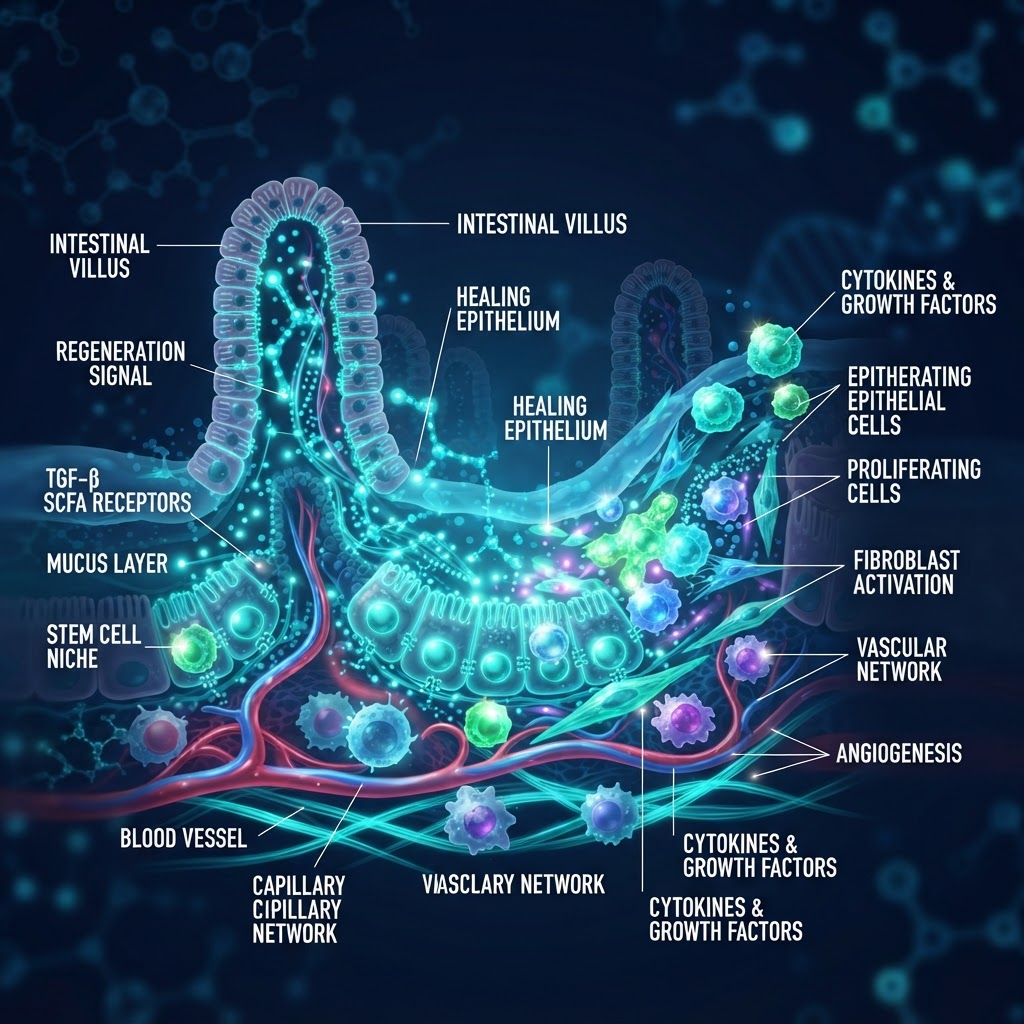
Table of Contents
The Challenge of Intestinal Integrity
Did you know that the intestinal barrier serves as the body's primary interface with the external environment, spanning over 300 square meters? When this delicate barrier is compromised, the condition known as increased intestinal permeability can lead to a cascade of systemic inflammatory responses. Researchers are increasingly turning their attention to BPC-157 gut healing properties to understand how this stable gastric pentadecapeptide might stabilize these biological membranes.
What Is BPC-157?
BPC-157 is a synthetic peptide derived from a protective protein naturally found in human gastric juice. While it is known for its systemic regenerative effects, its specific application in gastrointestinal research has garnered significant interest. Unlike traditional therapeutic agents, BPC-157 is remarkably stable in human gastric juice, making it an ideal subject for studies involving the digestive tract and mucosal integrity.
How Does It Work?
The mechanism behind BPC-157 gut healing is multifaceted, primarily focusing on the modulation of the cytoprotective system. Current models suggest that BPC-157 facilitates the repair of the intestinal epithelial barrier by promoting angiogenesis and cellular migration. By stabilizing the tight junction proteins—specifically occludin and zonulin—the peptide helps maintain a selective barrier that prevents the translocation of toxins into the systemic circulation.
What the Research Says
Scientific literature has consistently highlighted the efficacy of BPC-157 in various models of gastrointestinal damage. Studies have demonstrated its ability to counteract the damaging effects of NSAIDs, which are notoriously harsh on the stomach lining. Furthermore, research indicates that the peptide assists in the healing of various anastomosis models and helps manage symptoms associated with inflammatory conditions. The peptide’s ability to promote blood vessel growth in damaged tissue is a cornerstone of its therapeutic profile in gastroenterology.
Research Protocols & Dosing Notes
In laboratory research settings, BPC-157 is typically studied for its systemic effects when administered via subcutaneous or oral pathways. Research protocols often focus on stability and duration of action. Scientists must adhere to strict environmental controls and precise measurements when conducting studies on BPC-157 gut healing to ensure data reproducibility. Proper handling and storage, including lyophilization at -20°C, are essential to maintain the structural integrity of the peptide for accurate study results.
Conclusion
The exploration of BPC-157 continues to provide valuable data for those studying gastrointestinal homeostasis. As our understanding of the gut-brain axis and the importance of mucosal integrity grows, BPC-157 remains at the forefront of peptide research. By continuing to examine these molecular pathways, the research community is moving closer to understanding how to better protect and repair vital gastrointestinal barriers.
Disclaimer: These products are for research purposes only. Not for human consumption.
Biologix Supply Research Team
Expert research team specializing in peptide science and longevity compounds.