BPC-157 Gut Healing: Mechanisms and Research Applications
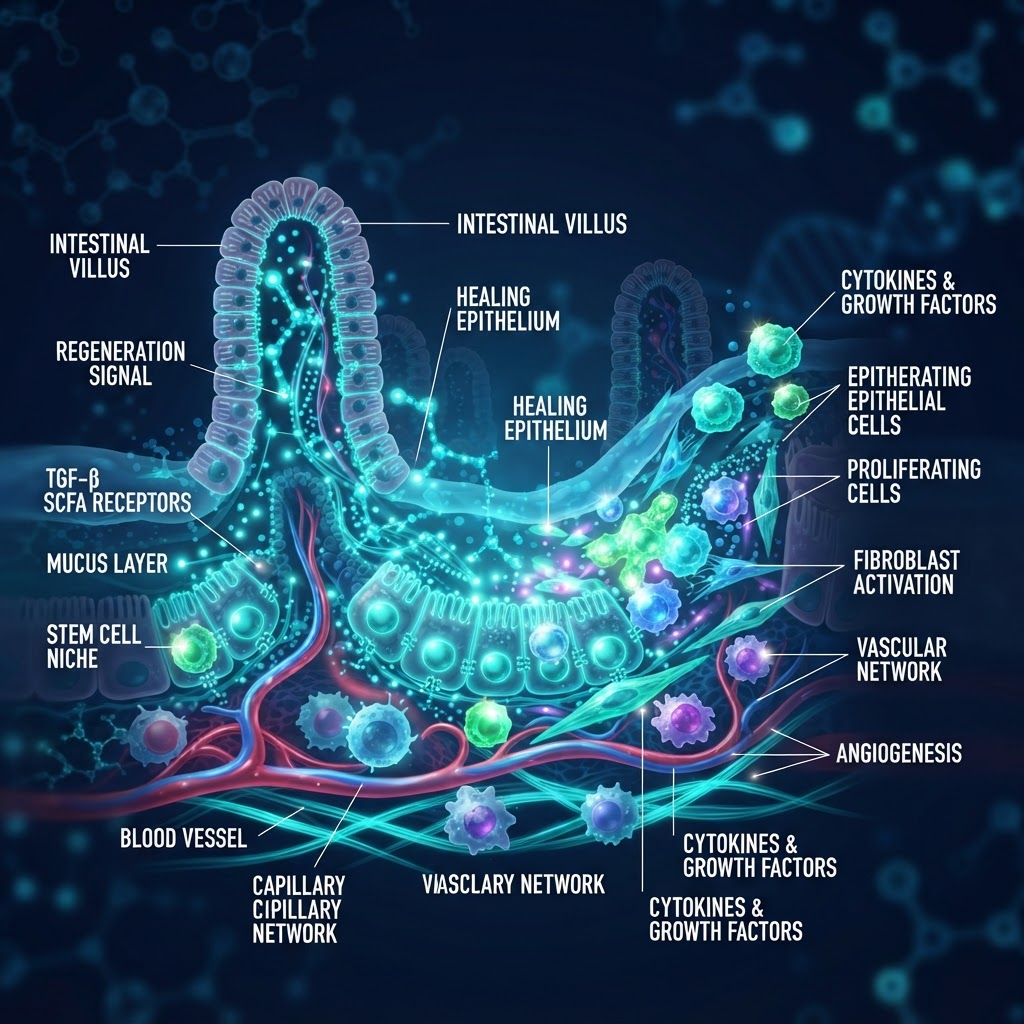
Table of Contents
The Future of Gastroenterology Research
Did you know that the integrity of the gastrointestinal tract serves as the first line of defense for the human immune system? With increasing interest in intestinal permeability, researchers are turning their attention to synthetic peptides that exhibit systemic regenerative properties. One compound standing at the forefront of this investigation is BPC-157. Often described as a 'body protection compound,' its potential to assist in BPC-157 gut healing is becoming a significant topic in contemporary clinical and laboratory studies.
What Is BPC-157?
BPC-157 is a pentadecapeptide derived from a protein found in human gastric juice. Structurally, it is composed of 15 amino acids and has been engineered to be highly stable in acidic environments, such as the stomach. Unlike many other peptides that degrade rapidly when exposed to digestive enzymes, BPC-157 maintains its bioactivity, making it a robust candidate for researchers studying gastrointestinal repair. Its primary characteristic is its ability to modulate the healing of diverse tissue types, suggesting it may possess pleiotropic effects within the digestive system.
How Does It Work?
The mechanisms underlying BPC-157 gut healing are multifaceted. Primarily, BPC-157 appears to interact with the nitric oxide (NO) system. By modulating NO synthesis, the peptide can enhance blood flow to damaged tissues, which is critical for accelerating the repair of the intestinal lining. Furthermore, research indicates that BPC-157 may modulate the expression of various growth factors, particularly those involved in angiogenesis and collagen synthesis.
Another key mechanism involves the 'gut-brain axis.' BPC-157 has shown promise in stabilizing the intestinal barrier by influencing the tight junction proteins that regulate paracellular transport. By reinforcing these cellular junctions, the peptide helps mitigate the leakage of endotoxins and antigens into the bloodstream, a state commonly referred to as leaky gut. Its ability to counteract systemic inflammation provides a compelling basis for further investigation into intestinal permeability.
What the Research Says
Laboratory studies have yielded promising results regarding the efficacy of BPC-157. In models of inflammatory bowel disease (IBD) and chemically induced gastric ulcers, subjects treated with BPC-157 consistently demonstrated accelerated healing compared to control groups. These findings suggest that BPC-157 functions as a cytoprotective agent that not only repairs acute damage but also protects the mucosa against ongoing insults from toxins or oxidative stress.
- Tissue Regeneration: BPC-157 has been observed to stimulate the proliferation of fibroblasts, which is essential for wound healing.
- Anti-Inflammatory Effects: By modulating cytokine expression, the peptide helps reduce localized inflammation within the intestinal wall.
- Barrier Stabilization: Evidence points to improved F-actin distribution in cells, which directly improves the structural integrity of intestinal barriers.
Research Protocols & Dosing Notes
While the therapeutic potential is significant, it is important to note that all protocols for BPC-157 are strictly for laboratory research. Scientists generally utilize dosage ranges based on animal model weight, often translating to micrograms per kilogram of body mass. The most common administrative routes in research settings include oral, subcutaneous, and intramuscular delivery. Researchers must account for the specific objective of the study—whether the goal is systemic improvement or localized digestive repair—when determining the delivery method. Strict adherence to sterile handling and accurate measurement is paramount in these experiments to ensure data reproducibility.
Conclusion
The study of BPC-157 gut healing represents a fascinating frontier in peptide science. As we continue to uncover how this pentadecapeptide modulates the gastrointestinal environment, it becomes increasingly clear that its role in maintaining barrier integrity and systemic homeostasis is profound. While current data is largely limited to preclinical trials, the consistency of the findings makes BPC-157 a priority for those dedicated to advancing the fields of gastroenterology and tissue repair. Future large-scale studies will be essential to fully categorize the pharmacokinetics of this compound.
Disclaimer: These products are for research purposes only. Not for human consumption.
Biologix Supply Research Team
Expert research team specializing in peptide science and longevity compounds.