Thymosin Alpha-1: Revolutionizing Immune System Modulation
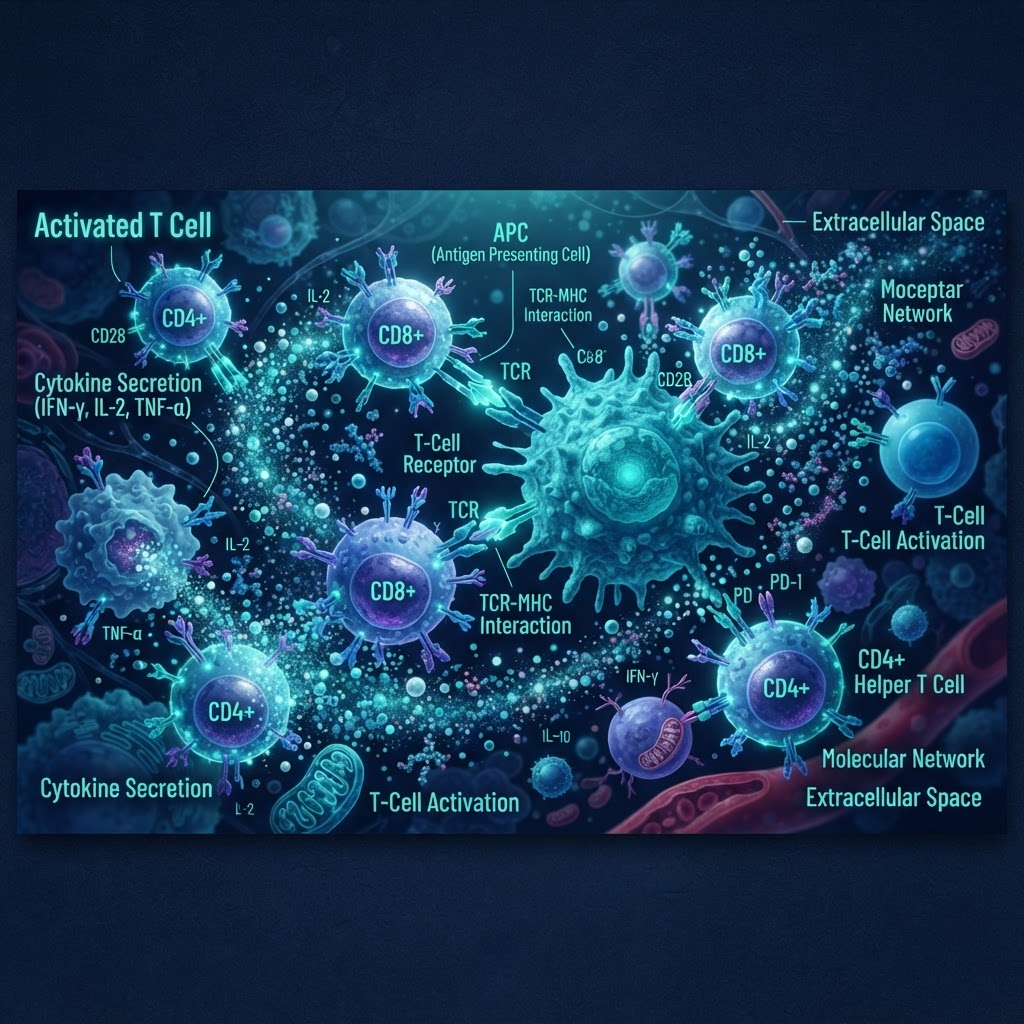
Table of Contents
Could a single peptide hold the key to unlocking a more robust and responsive immune system?
In the relentless pursuit of understanding and enhancing human health, researchers are increasingly turning to peptides for their targeted and potent effects. Among these fascinating molecules, Thymosin Alpha-1 (Tα1) stands out as a particularly promising agent for its profound influence on the immune system. As scientists delve deeper into its mechanisms and potential applications, the significance of Tα1 in immune system modulation becomes increasingly clear. This post will explore the science behind Thymosin Alpha-1, its effects on immune function, and what current research suggests about its capabilities.
What Is Thymosin Alpha-1?
Thymosin Alpha-1 is a naturally occurring peptide hormone found in the thymus gland. The thymus, a crucial organ in the immune system, is responsible for the maturation of T-lymphocytes (T-cells), which are vital for cell-mediated immunity. Tα1 is a 28-amino acid polypeptide that is a key component of the thymosin fraction 5, a complex mixture of peptides extracted from bovine thymus glands.
First isolated in the 1960s, Tα1 has been a subject of scientific interest due to its role in regulating T-cell differentiation and function. It's believed to play a role in the development of thymocytes into mature T-cells and in enhancing the body's overall immune response. Its synthetic production allows for controlled research into its specific immunomodulatory properties, making it a valuable tool for scientists studying immunology.
How Does Thymosin Alpha-1 Work?
The immunomodulatory effects of Thymosin Alpha-1 are multifaceted, primarily revolving around its ability to enhance both innate and adaptive immunity. Its mechanisms of action are complex and continue to be elucidated, but several key pathways have been identified:
- T-cell Activation and Differentiation: Tα1 is known to promote the development and activation of T-cells, including cytotoxic T-lymphocytes (CTLs) and helper T-cells (Th). It can influence the balance between different T-cell subsets, potentially shifting the immune response towards a more effective state against pathogens and abnormal cells.
- Dendritic Cell Maturation: Dendritic cells (DCs) are critical antigen-presenting cells that bridge innate and adaptive immunity. Tα1 has been shown to promote the maturation of DCs, enhancing their ability to prime T-cells and initiate a targeted immune response.
- Cytokine Production: Tα1 can modulate the production of various cytokines, which are signaling molecules that regulate immune cell activity. It can promote the release of pro-inflammatory cytokines that are necessary for fighting infections, as well as anti-inflammatory cytokines that help to regulate the immune response and prevent excessive tissue damage.
- NK Cell Activity: Natural Killer (NK) cells are part of the innate immune system and are crucial for recognizing and killing virus-infected cells and tumor cells. Tα1 has been observed to enhance NK cell activity, contributing to a stronger defense against viral infections and cancer.
- B-cell Modulation: While its primary effects are on T-cells and DCs, Tα1 can also indirectly influence B-cell function, which are responsible for producing antibodies.
In essence, Thymosin Alpha-1 acts as a biological 'amplifier' for the immune system, promoting the development, activation, and coordination of various immune cells to mount a more robust and effective defense. Its ability to stimulate immune cells without causing over-activation is a key aspect of its therapeutic interest.
What the Research Says
The scientific literature on Thymosin Alpha-1 is extensive, spanning decades of research in various fields of immunology and medicine. Studies have explored its potential in a wide range of applications:
- Infectious Diseases: Research has investigated Tα1's efficacy in enhancing immune responses against viral infections, including hepatitis B and C, HIV, and influenza. Its ability to boost T-cell and NK cell activity is particularly relevant in combating viral pathogens.
- Autoimmune Diseases: While Tα1 generally enhances immune responses, some studies suggest it might also play a role in rebalancing aberrant immune responses seen in autoimmune conditions. The exact mechanisms in this context are complex and may involve promoting regulatory T-cells or modulating cytokine profiles.
- Cancer Therapy: Tα1 has shown promise as an adjunct therapy in cancer treatment. By enhancing the immune system's ability to recognize and attack tumor cells (immune surveillance), it can potentially improve the effectiveness of conventional treatments like chemotherapy and immunotherapy. Studies have explored its use in melanoma, lung cancer, and other malignancies.
- Vaccine Adjuvancy: Tα1's potent immunomodulatory properties make it a candidate for use as a vaccine adjuvant – a substance that enhances the immune response to an antigen. This could lead to more effective vaccines with lower antigen doses or improved efficacy in individuals with weakened immune systems.
- Allergies: Some research suggests Tα1 might influence allergic responses, potentially by modulating T-helper cell balance and cytokine production, which are central to allergic inflammation.
It's important to note that while promising, many of these applications are still in various stages of research and clinical trials. The primary focus for researchers using Thymosin Alpha-1 is to understand its precise mechanisms and optimize its use for specific immune-related conditions.
Research Protocols & Dosing Notes
For research professionals exploring the potential of Thymosin Alpha-1, adherence to established protocols and understanding dosing considerations is paramount. Thymosin Alpha-1 is typically supplied as a lyophilized powder that requires reconstitution before use in experimental settings.
Reconstitution: Lyophilized Tα1 is usually reconstituted with sterile bacteriostatic water or sterile saline. The reconstitution volume will depend on the desired final concentration, and it is crucial to calculate this accurately based on the vial's peptide content (e.g., 1mg, 2mg, 5mg). Once reconstituted, the solution should be stored appropriately, often at refrigerated temperatures, and protected from light.
Research Dosing: Dosing regimens in scientific literature vary significantly depending on the research model (in vitro cell cultures, animal models) and the specific immune response being investigated. Common research dosages in animal studies might range from tens to hundreds of micrograms per kilogram of body weight, administered via subcutaneous, intramuscular, or intraperitoneal injection. The frequency of administration can also vary, from daily to weekly.
Concentration and Purity: When sourcing Thymosin Alpha-1 for research, it is essential to ensure high purity and accurate concentration. Biologix Supply is committed to providing research-grade peptides that meet stringent quality standards, ensuring reliable and reproducible experimental results.
Important Considerations:
- Always work with a sterile environment when reconstituting and preparing solutions.
- Use appropriate laboratory equipment for accurate measurement and administration.
- Consult peer-reviewed literature for specific experimental protocols and dosing strategies relevant to your research objectives.
- Thymosin Alpha-1 is a potent biological agent; handle with care and follow all laboratory safety guidelines.
The specific application will dictate the experimental design. For example, studies on T-cell activation might involve in vitro cell cultures exposed to Tα1, while studies on disease models might involve systemic administration in animals.
Conclusion
Thymosin Alpha-1 represents a significant area of interest for researchers focused on understanding and modulating the immune system. Its inherent ability to enhance various facets of both innate and adaptive immunity, from T-cell activation to dendritic cell maturation, positions it as a valuable tool in immunological research. The growing body of scientific literature highlighting its potential in combating infections, supporting cancer therapies, and influencing autoimmune responses underscores its importance.
As research continues to uncover the intricate mechanisms by which Thymosin Alpha-1 interacts with the immune system, its role in developing novel therapeutic strategies becomes more defined. For scientists and researchers, Tα1 offers a unique opportunity to explore new frontiers in immunology and to contribute to advancements in human health. Its capacity to fine-tune immune responses makes it a peptide of exceptional scientific merit.
Disclaimer: These products are for research purposes only. Not for human consumption.
Biologix Supply Research Team
Expert research team specializing in peptide science and longevity compounds.