Thymosin Alpha-1 Immune System Modulation: A Research Overview
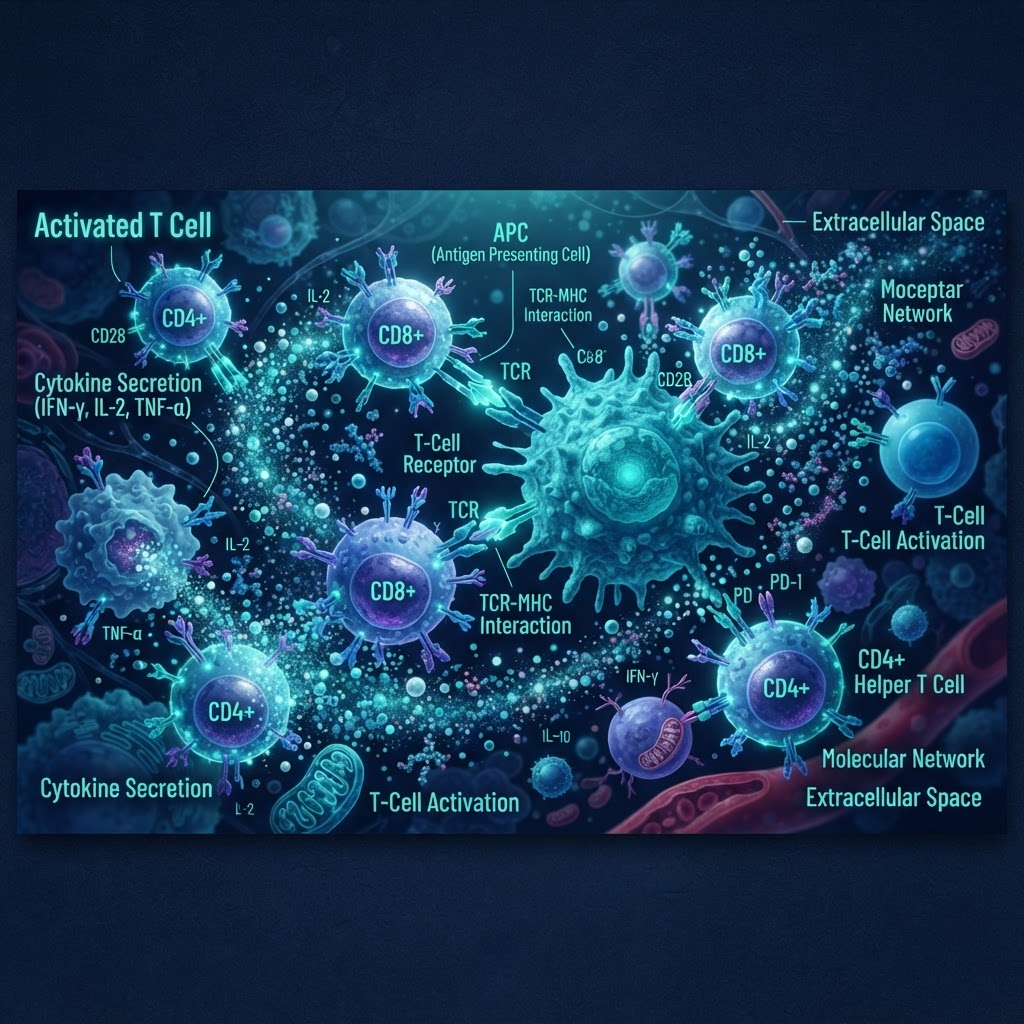
Table of Contents
The Quest for Advanced Immunomodulation
Did you know that the thymus gland, the master regulator of our adaptive immune system, begins a slow process of involution as early as puberty? As research continues to advance, scientists are increasingly turning to synthetic analogs to investigate ways to bolster host defenses. At the forefront of this investigation is Thymosin Alpha-1, a potent endogenous peptide that has become a cornerstone in studying Thymosin Alpha-1 immune modulation pathways.
What Is Thymosin Alpha-1?
Thymosin Alpha-1 (Tα1) is a naturally occurring peptide hormone originally isolated from the thymus gland. Composed of 28 amino acids, it plays a critical role in the development and differentiation of T-lymphocytes. In a laboratory setting, Tα1 is highly sought after for its ability to mimic the body's natural signaling molecules, providing researchers with a controlled means to study immune responsiveness.
How Does It Work?
The mechanism behind Thymosin Alpha-1 immune modulation is multifaceted. It acts primarily as an immunomodulator rather than a simple stimulant, meaning it helps to "balance" the immune response. Key mechanisms include:
- T-cell Maturation: Tα1 facilitates the terminal differentiation of prothymocytes into mature, functional T-cells.
- Cytokine Regulation: It modulates the production of vital cytokines such as IFN-gamma and IL-2, which are essential for coordinating effective cellular immunity.
- Enhanced APC Activity: Research suggests it improves the function of Antigen-Presenting Cells (APCs), allowing for more efficient detection of foreign pathogens.
What the Research Says
Current peer-reviewed literature indicates that Thymosin Alpha-1 immune research spans across several clinical domains. Studies have focused on the peptide's ability to augment vaccine efficacy by increasing the production of antibodies. Furthermore, experimental models have demonstrated that Tα1 may play a protective role in reducing cellular stress during periods of significant immune challenge. As we look at the data, it becomes clear that Tα1 offers a unique scaffolding for researchers interested in how peptide architecture influences biological signaling and immune system resilience.
Research Protocols & Dosing Notes
For research professionals, the administration of Thymosin Alpha-1 requires rigorous adherence to standardized protocols to ensure data integrity. Common research dosages observed in murine studies often range from 200mcg to 500mcg per administration, depending on the specific model and the duration of the study. Stability of the peptide is paramount; lyophilized Tα1 should be stored at -20°C for long-term preservation and reconstituted using bacteriostatic water immediately prior to use in assays to maintain potency.
Conclusion
Thymosin Alpha-1 remains one of the most promising candidates for those investigating the intersection of peptide science and immunology. Its ability to influence Thymosin Alpha-1 immune pathways makes it an indispensable tool for understanding the complexities of T-cell regulation and systemic homeostasis. As we continue to push the boundaries of molecular biology, high-purity synthetic Tα1 will undoubtedly remain a fixture in high-level laboratory research.
Disclaimer: These products are for research purposes only. Not for human consumption.
Biologix Supply Research Team
Expert research team specializing in peptide science and longevity compounds.