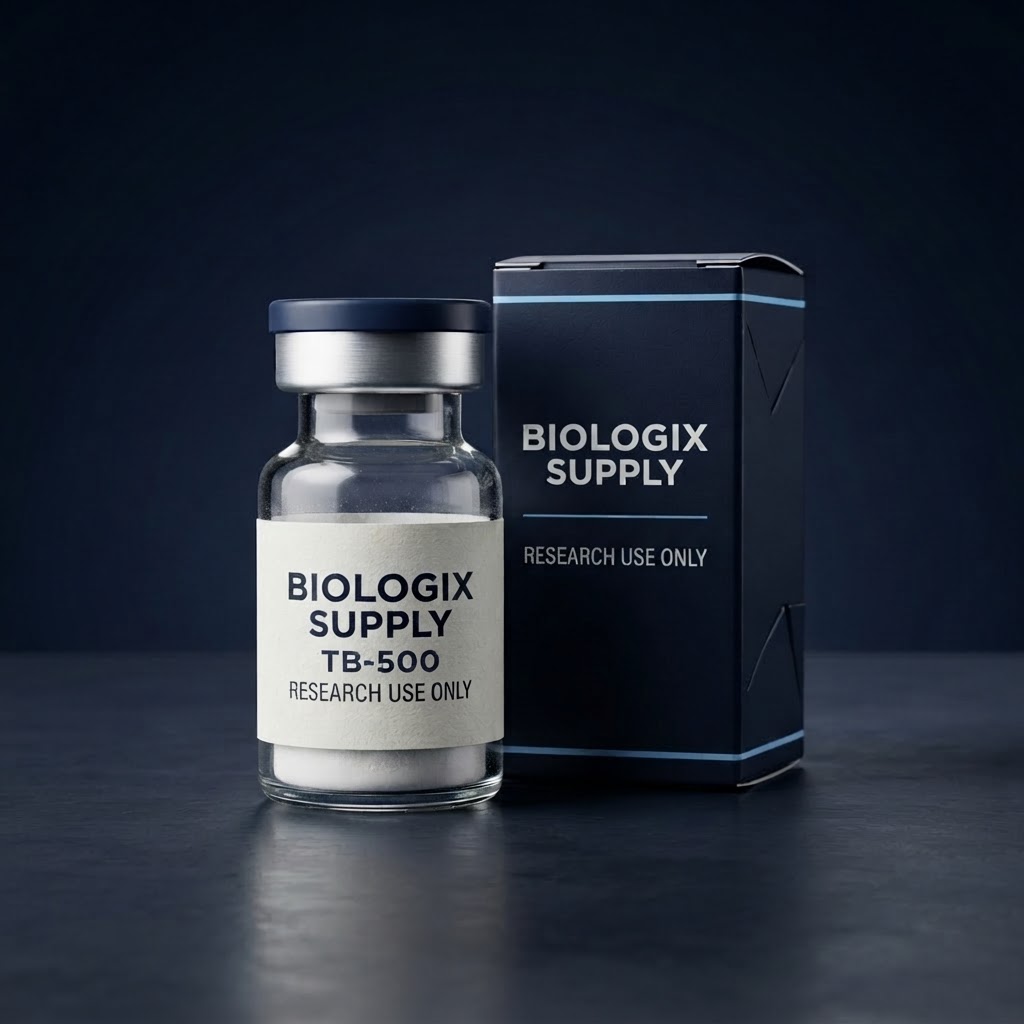
What is TB-500?
TB-500 is a synthetic analog of thymosin beta-4, a naturally occurring peptide found in high concentrations in wound fluid. It promotes cell migration, differentiation, and proliferation for superior recovery.
Mechanism of Action
TB-500 upregulates actin, a critical protein for cell movement. It promotes angiogenesis, reduces inflammation, and enhances growth factor signaling throughout the body for enhanced tissue repair and muscle development.
Key Benefits
Lean Muscle Development
Promotes myoblast differentiation and muscle fiber growth
Enhanced Endurance
Increases aerobic capacity and reduces fatigue perception
Joint Flexibility
Improves synovial fluid production and tissue elasticity
Recovery Optimization
Accelerates recovery from training and injury
Research & Studies
For research purposes only. Not for human consumption. All studies listed are published third-party research.
Typical Research Protocols
| Dosage | Frequency | Duration | Route |
|---|---|---|---|
| 2.5 mg | 1x weekly | 8-12 weeks | Subcutaneous or intramuscular injection |
| 5 mg | 1x every 2 weeks | 12 weeks | Intramuscular injection |
Protocols are for research reference only.
Who Is This For?
Athletes, fitness enthusiasts, injury recovery, those seeking improved endurance
Product Specifications
Safety & Contraindications
Overall Safety Rating
Based on clinical research and adverse event reports. Individual responses vary.