AOD-9604 and Fat Metabolism: A Comprehensive Review of the Studies
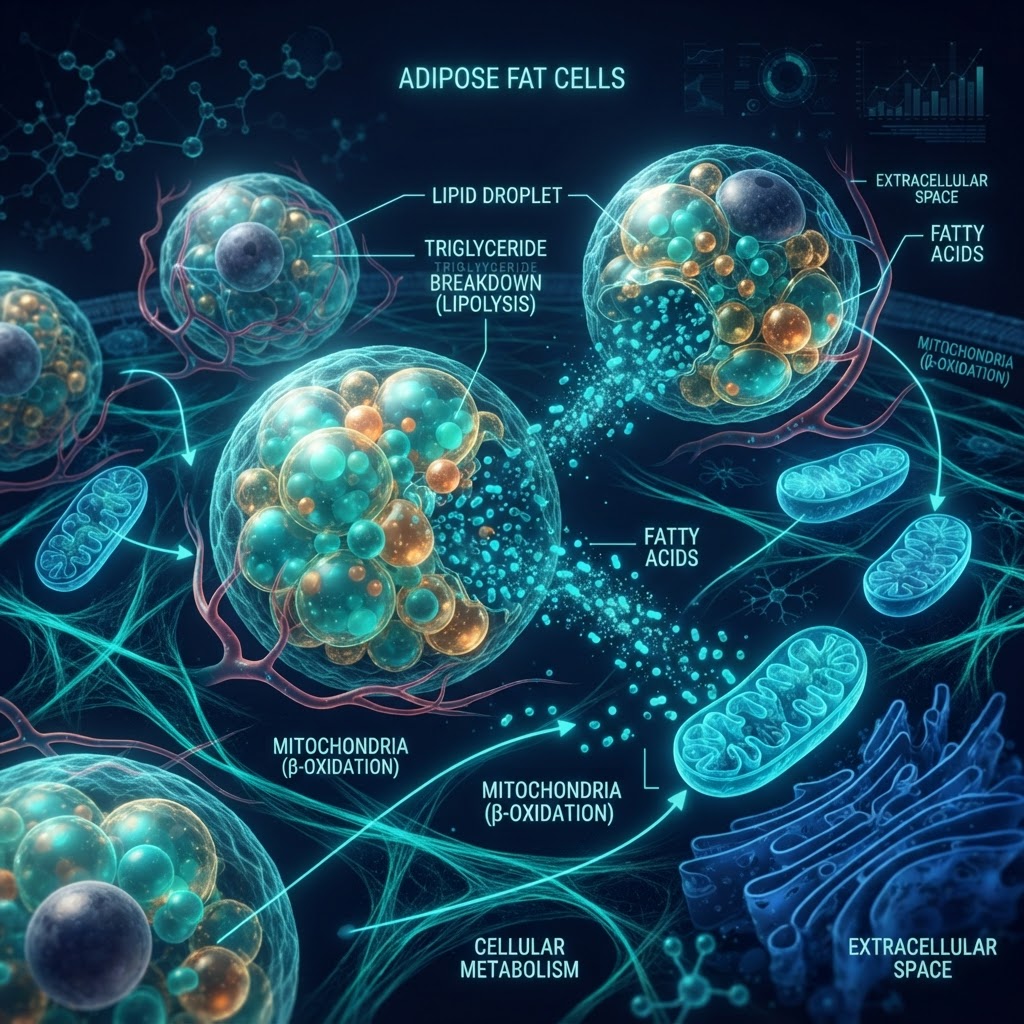
Table of Contents
The Pursuit of Metabolic Optimization
In the evolving landscape of peptide science, few compounds have garnered as much interest as the synthetic analog of human growth hormone (HGH) known as AOD-9604. With obesity and metabolic disorders remaining central challenges in clinical science, researchers are increasingly investigating how the manipulation of lipid pathways can provide therapeutic potential. Can a specific fragment of a growth hormone molecule alter the landscape of adipocyte regulation? Recent data on AOD-9604 and fat metabolism suggest that this peptide may hold the key to understanding localized lipid reduction.
What Is AOD-9604?
AOD-9604, standing for 'Anti-Obesity Drug,' is a modified synthetic fragment of the C-terminus of the human growth hormone, specifically amino acids 176-191. Unlike full-length HGH, which influences overall cell growth and insulin-like growth factor-1 (IGF-1) levels, AOD-9604 was engineered specifically to mimic the lipolytic effects of growth hormone while isolating the metabolic benefits from the anabolic or growth-promoting side effects. By isolating this specific sequence, researchers aim to study fat metabolism without the complications typically associated with systemic GH administration.
How Does It Work?
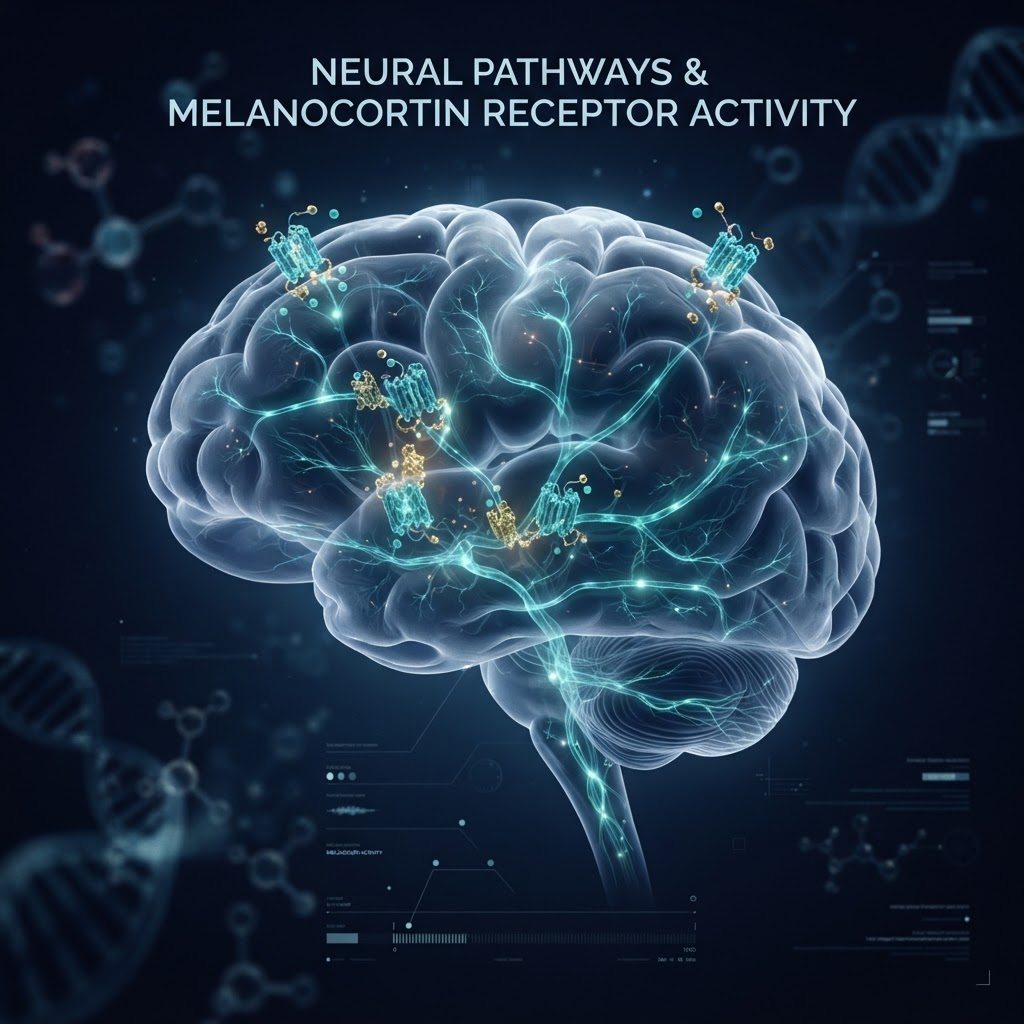
The core of the research into AOD-9604 and fat metabolism centers on its unique interaction with adipose tissue. The peptide stimulates lipolysis—the breakdown of lipids—and inhibits lipogenesis, the process by which the body stores fat. Current models suggest that AOD-9604 works by mimicking the way natural growth hormone regulates fat metabolism after it has been cleaved into fragments within the body. Specifically, it appears to increase the expression of beta-3 adrenergic receptors, which play a crucial role in the mobilization of stored fatty acids. By increasing the turnover of adipose tissue, the peptide facilitates a higher rate of lipid oxidation, potentially shifting the metabolic profile of the test subject toward a leaner state.
What the Research Says
Clinical studies investigating AOD-9604 have focused heavily on its safety profile and its ability to influence metabolic markers. In human trials, participants have shown improved lipid profiles and consistent outcomes in body fat reduction without the hyperglycemia or insulin resistance commonly seen with exogenous growth hormone. Research suggests that the peptide effectively targets stubborn adipose depots by signaling the release of free fatty acids into the bloodstream to be used as cellular energy. One of the most significant findings is the lack of impact on systemic growth factors, confirming that AOD-9604 acts as a specialized tool for metabolic study rather than a general growth enhancer.
Research Protocols & Dosing Notes
When conducting studies on AOD-9604 and fat metabolism, strict attention must be paid to dosage consistency and the purity of the lyophilized powder. Researchers typically employ subcutaneous administration in murine models or cell cultures to monitor metabolic rate changes over a period of 4 to 12 weeks. Because the peptide has a relatively short half-life, daily or twice-daily dosing is often required to maintain stable concentrations within the research environment. Scientists are urged to document baseline metabolic markers, such as fasting blood glucose and lipid panels, prior to initiation to accurately quantify the metabolic shifts induced by the peptide.
Conclusion
The study of AOD-9604 represents a frontier in metabolic research. By isolating the fat-burning properties of growth hormone into a more targeted, safer synthetic fragment, AOD-9604 provides a fascinating subject for those studying the molecular mechanisms of lipid regulation. While the data regarding AOD-9604 and fat metabolism is promising, continued rigorous, placebo-controlled research is necessary to fully elucidate the long-term potential of this compound in clinical settings.
Disclaimer: These products are for research purposes only. Not for human consumption.
Biologix Supply Research Team
Expert research team specializing in peptide science and longevity compounds.