Understanding the PT-141 Mechanism of Action: A Research Overview
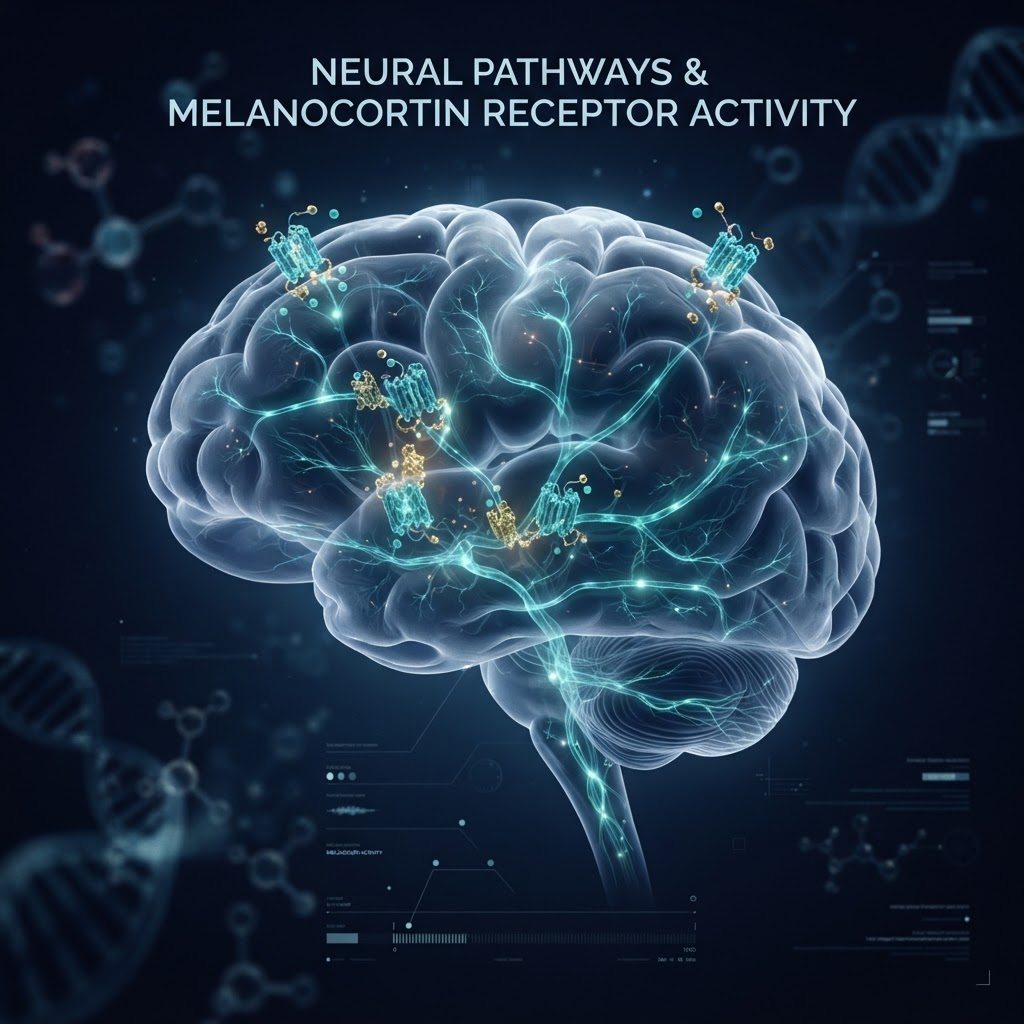
Table of Contents
The Science of Central Stimulation
How do localized chemical signals in the hypothalamus influence complex physiological responses across the central nervous system? This question serves as the foundation for investigators studying the PT-141 mechanism action. As a synthetic peptide analog, PT-141 represents a significant milestone in pharmacological research, offering unique insights into the melanocortin system.
What Is PT-141?
PT-141, also known as Bremelanotide, is a cyclic heptapeptide analog of the naturally occurring alpha-melanocyte-stimulating hormone (α-MSH). Unlike traditional approaches that act primarily on the vascular system, PT-141 acts directly on the nervous system. By bypassing the peripheral vascular pathway, researchers have identified this compound as a potent, non-selective agonist of the melanocortin receptors (MCRs), specifically targeting MC3R and MC4R.
How Does It Work?
The PT-141 mechanism action is primarily categorized by its interaction with the hypothalamus, the regulatory hub of the brain. When introduced into a research model, the peptide binds to melanocortin receptors within the paraventricular nucleus. This activation triggers a cascade of neural signaling that regulates downstream physiological pathways. By modulating these receptors, PT-141 exerts influence over homeostatic processes, distinguishing itself from other compounds that operate via nitric oxide or phosphodiesterase type 5 inhibition. This central nervous system-mediated approach allows for a distinct study profile in neuroscience research.
What the Research Says
Current longitudinal studies have focused on the selectivity and binding affinity of PT-141. Research indicates that the peptide's ability to cross the blood-brain barrier effectively makes it a valuable tool for neuropharmacologists. Data suggests that stimulation of the MC4R pathway by PT-141 may influence various behavioral and metabolic responses. Scientists are currently utilizing this peptide to map the intricate neural circuits involved in hormonal regulation. Furthermore, comparative studies between PT-141 and other melanocortin analogs continue to provide data regarding receptor activation duration and central neural sensitization.
Research Protocols & Dosing Notes
In laboratory environments, PT-141 is typically handled as a lyophilized powder and reconstituted with bacteriostatic water. Researchers must ensure strict adherence to sterile protocols to maintain peptide integrity. Dosage in animal models varies significantly depending on the specific objective of the study, ranging from 0.5 mg/kg to 2 mg/kg in murine models. It is imperative that investigators document environmental variables, as metabolic responses in test subjects can be sensitive to fluctuations in ambient temperature and circadian timing. Always record baseline data before initial administration to ensure accurate post-study analysis.
Conclusion
The study of the PT-141 mechanism action offers researchers a unique window into the melanocortin system's role in the CNS. Through its precise modulation of receptors within the hypothalamus, PT-141 continues to be a focal point for investigators studying neural signaling pathways. As research continues to evolve, the application of this peptide in controlled laboratory settings remains vital for understanding the complexities of central nervous system modulation.
Disclaimer: These products are for research purposes only. Not for human consumption.
Biologix Supply Research Team
Expert research team specializing in peptide science and longevity compounds.