What is BPC-157?
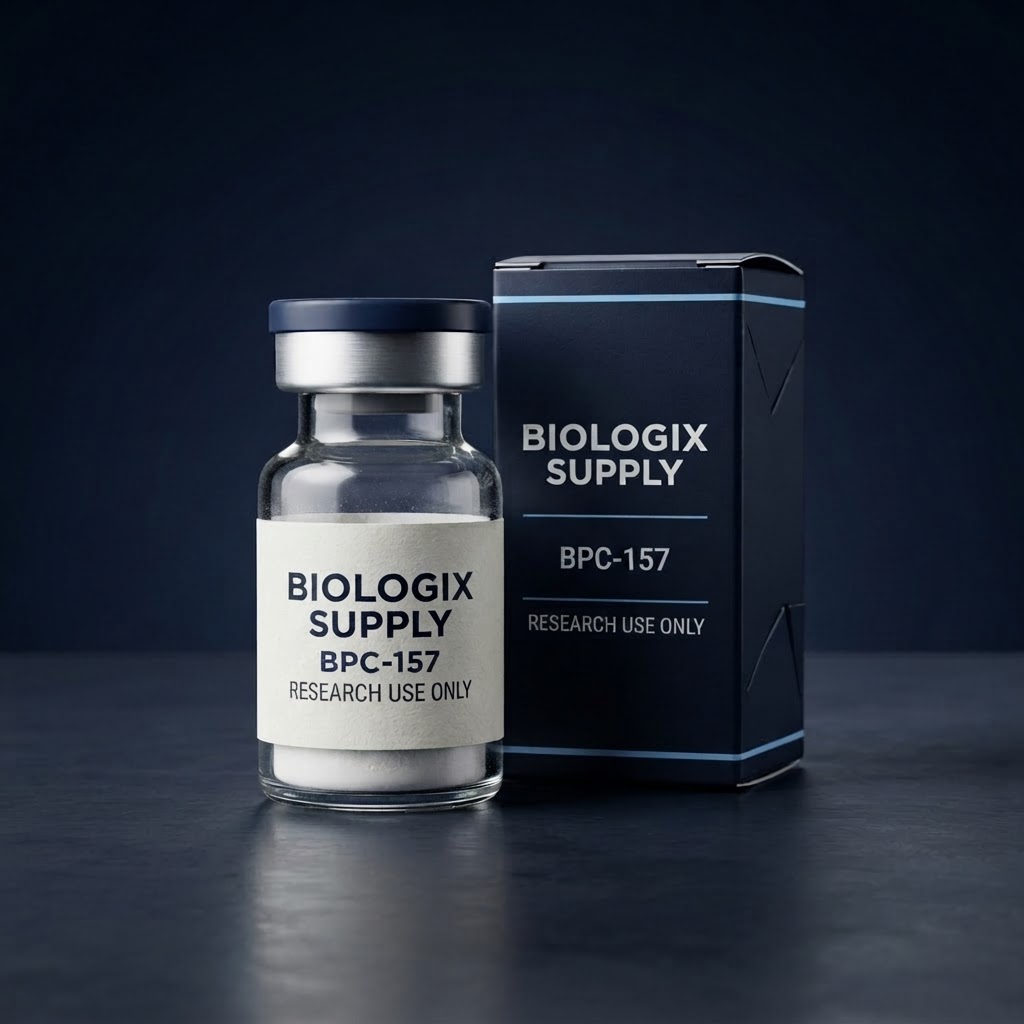
BPC-157 is a 15-amino acid peptide derived from gastric juice. It's extensively researched for its cytoprotective and regenerative properties, promoting rapid healing of wounds, muscle, and joint tissue.
Mechanism of Action
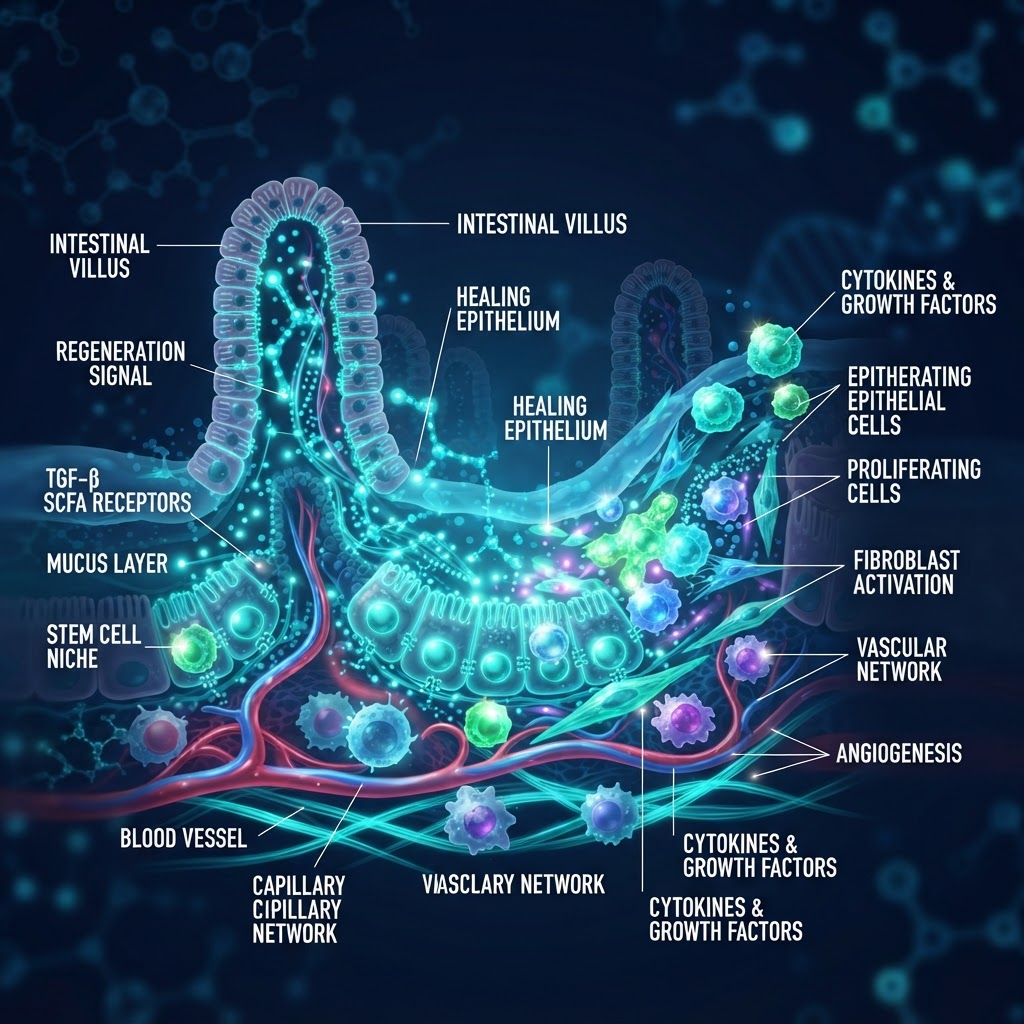
BPC-157 activates growth hormone receptors and promotes VEGF production, increasing blood vessel formation and collagen synthesis. It reduces pro-inflammatory cytokines while enhancing tissue repair signaling pathways.
Key Benefits
Accelerated Tissue Repair
Promotes collagen synthesis and angiogenesis in damaged tissues
Muscle Recovery
Reduces recovery time from exercise-induced muscle damage
Gut Healing
Restores intestinal barrier function and mucosal healing
Anti-Inflammatory
Reduces systemic inflammation and joint pain
Research & Studies
For research purposes only. Not for human consumption. All studies listed are published third-party research.
Typical Research Protocols
| Dosage | Frequency | Duration | Route |
|---|---|---|---|
| 250 mcg | 2x daily | 12 weeks | Subcutaneous injection |
| 500 mcg | 1x daily | 8 weeks | Intramuscular injection |
Protocols are for research reference only.
Who Is This For?
Athletes, individuals with joint injuries, those with compromised gut health, anyone supporting tissue regeneration
Product Specifications
Safety & Contraindications
Overall Safety Rating
Based on clinical research and adverse event reports. Individual responses vary.