Optimizing BPC-157 GHRP-2 Protocol: A Scientific Perspective
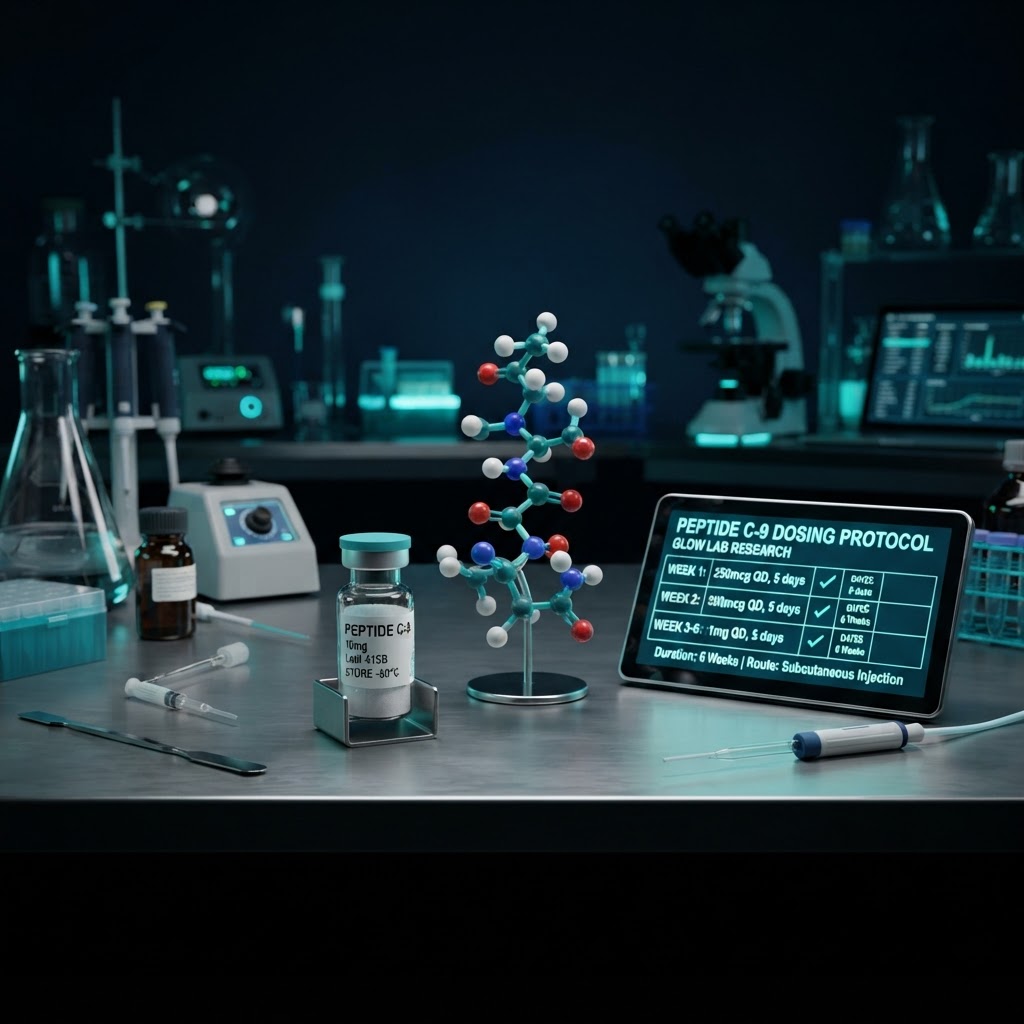
Table of Contents
The Synergy of Peptide Research
As research into regenerative medicine continues to evolve, the BPC-157 GHRP-2 protocol has become a focal point for investigators interested in the intersection of tissue repair and endocrine signaling. By combining a potent systemic cytoprotective agent with a growth hormone secretagogue, researchers aim to explore how localized healing and systemic metabolic support can coexist. This analysis breaks down the individual mechanisms and the potential for synergy in scientific models.
What Is BPC-157?
BPC-157, or Body Protection Compound 157, is a synthetic pentadecapeptide derived from a protein naturally occurring in the human gastric juice. It is well-documented in scientific literature for its role in rapid tissue repair, particularly regarding gastrointestinal, tendon, and ligament damage. Its unique structure allows for remarkable stability in the gastric environment, which has facilitated extensive exploration into its systemic regenerative capabilities.
How Does It Work?
BPC-157 functions through the modulation of multiple growth factors, including VEGF (Vascular Endothelial Growth Factor). It promotes angiogenesis, the formation of new blood vessels, which is critical for the recovery of damaged tissues. Concurrently, GHRP-2 (Growth Hormone Releasing Peptide 2) acts as a potent secretagogue by binding to the ghrelin receptor (GHS-R1a), effectively stimulating the pulsatile release of endogenous growth hormone. When integrated into a BPC-157 GHRP-2 protocol, the theory is that BPC-157 provides the architectural support for repair while GHRP-2 enhances the metabolic and hormonal environment required for tissue turnover and anabolic signaling.
What the Research Says
The literature regarding BPC-157 highlights its efficacy in accelerating the healing of musculoskeletal injuries, including bone and tendon models. Similarly, GHRP-2 has been studied extensively for its ability to increase lean muscle mass and reduce adiposity through the IGF-1 axis. The primary question driving current research is whether the combined BPC-157 GHRP-2 protocol can outperform individual peptide applications by leveraging the specific pathways of each compound. Early observational studies suggest that the systemic presence of elevated GH via GHRP-2 may provide a more favorable systemic environment for the localized regenerative work initiated by BPC-157.
Research Protocols & Dosing Notes
In research environments, the BPC-157 GHRP-2 protocol requires precise titration. BPC-157 is frequently observed in clinical studies at daily dosages ranging between 250mcg and 500mcg, often administered subcutaneously. GHRP-2 dosing, meanwhile, is typically calculated based on weight and the desired pulsatile output of the pituitary gland, often taken on an empty stomach to avoid interference from circulating insulin. When structuring a BPC-157 GHRP-2 protocol, scientists must account for the half-lives of both peptides. Because BPC-157 has a relatively short plasma half-life, frequency of administration is often prioritized over single high-dose applications. Researchers should maintain meticulous logs of the timing of injections relative to feeding and exercise schedules to ensure consistency in data collection across study subjects.
Conclusion
The combination of BPC-157 and GHRP-2 represents an interesting frontier for regenerative research. By understanding the distinct roles of systemic healing and hormonal stimulation, investigators can design more robust protocols. As we continue to uncover the nuances of these compounds, the importance of purity and quality in research-grade peptides remains paramount to obtaining reliable, reproducible results. Always ensure your peptides are sourced from reputable suppliers to maintain the integrity of your experimental data.
Disclaimer: These products are for research purposes only. Not for human consumption.
Biologix Supply Research Team
Expert research team specializing in peptide science and longevity compounds.