Optimizing BPC-157 GHRP-2 Protocol: A Comprehensive Research Guide

Table of Contents
The Synergy of Peptide Research
In the evolving landscape of regenerative medicine and molecular biology, the integration of multiple compounds into a single experimental framework has become a primary focus. Could combining specific signaling peptides lead to accelerated repair and improved metabolic signaling? Researchers are increasingly looking toward the BPC-157 GHRP-2 protocol to observe how these two distinct yet complementary peptides interact at the cellular level.
What Is BPC-157?
BPC-157 (Body Protection Compound-157) is a synthetic pentadecapeptide derived from a protective protein found in the human gastric juice. It is classified as a stable gastric pentadecapeptide and has been the subject of extensive investigation regarding its cytoprotective properties. Unlike standard peptides, BPC-157 exhibits high stability in human gastric juices and does not require a carrier for delivery in certain experimental contexts, making it a unique subject for studying tissue healing, angiogenesis, and anti-inflammatory responses.
What Is GHRP-2?
GHRP-2 (Growth Hormone Releasing Peptide-2), often referred to as Pralmorelin, is a synthetic hexapeptide that acts as a potent agonist of the ghrelin receptor (GHS-R). Its primary function in research is the stimulation of the anterior pituitary gland to secrete endogenous growth hormone. By binding to the ghrelin receptor, GHRP-2 initiates a signaling cascade that elevates circulating levels of IGF-1 and growth hormone, providing a robust model for investigating metabolic acceleration and protein synthesis.
How Does It Work?
The core of the BPC-157 GHRP-2 protocol lies in the intersection of systemic repair and hormonal modulation. BPC-157 operates largely through the modulation of the VEGFR2 signaling pathway, which enhances the formation of new blood vessels and supports the integrity of fibroblasts. Simultaneously, GHRP-2 modulates the hypothalamic-pituitary-somatotropic axis. When utilized in tandem, researchers hypothesize that the systemic environment provided by BPC-157—specifically its ability to stabilize connective tissue—may be enhanced by the anabolic and metabolic signals triggered by GHRP-2, potentially creating a more favorable microenvironment for cellular repair.
What the Research Says
Current peer-reviewed literature suggests that while these peptides function independently, their combined application is of significant interest in preclinical studies. BPC-157 has demonstrated efficacy in rodent models for tendon healing, ligament repair, and gastrointestinal protection. Meanwhile, GHRP-2 has been studied for its ability to increase muscle mass and decrease fat accumulation through the potentiation of growth hormone release. The combined BPC-157 GHRP-2 protocol is currently being evaluated for its capacity to offer a dual-approach intervention: addressing the structural damage (BPC-157) while simultaneously upregulating the body's natural restorative hormones (GHRP-2).
Research Protocols & Dosing Notes
When establishing a BPC-157 GHRP-2 protocol, researchers must consider the differing half-lives and administration requirements of each compound. BPC-157 is typically studied in doses ranging from 250mcg to 500mcg per injection, often administered once or twice daily depending on the research model's needs. GHRP-2 is generally evaluated at lower volumes, often in the 100mcg to 300mcg range, to avoid excessive desensitization of the pituitary receptors.
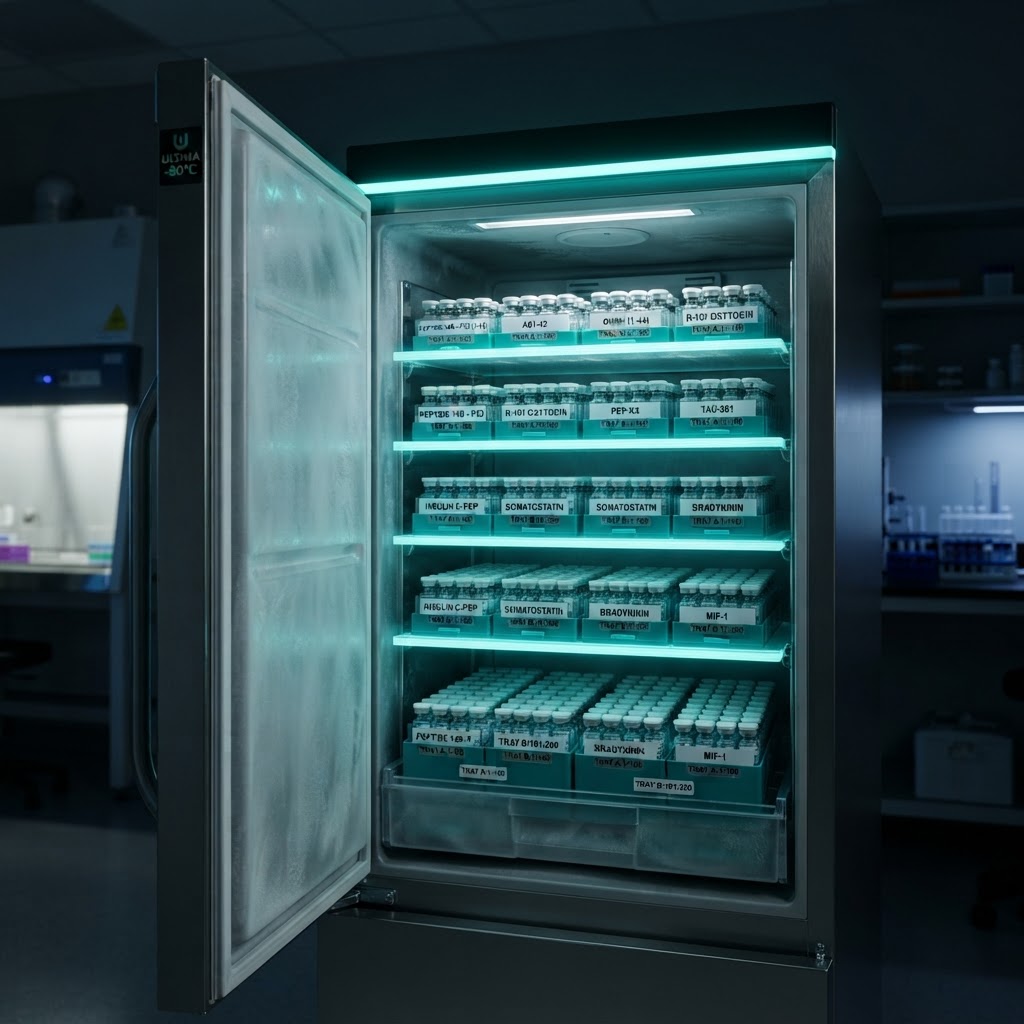
- Stability: Both peptides must be stored in a controlled environment, typically lyophilized at -20°C.
- Solvent Selection: Sterile bacteriostatic water or saline is standard for reconstitution.
- Frequency: Researchers must maintain strict consistency to measure the synergistic impact on metabolic markers.
- Timing: GHRP-2 administration is often timed around periods of low glucose to maximize the growth hormone response.
Conclusion
The BPC-157 GHRP-2 protocol represents an advanced frontier in peptide research. By leveraging the healing properties of a gastric-derived peptide alongside the systemic endocrine-modulating effects of a ghrelin mimetic, scientists are uncovering new ways to approach tissue regeneration and metabolic health. As research continues to expand, maintaining rigorous standards in peptide quality and dosing consistency remains paramount for valid data collection.
Disclaimer: These products are for research purposes only. Not for human consumption.
Biologix Supply Research Team
Expert research team specializing in peptide science and longevity compounds.