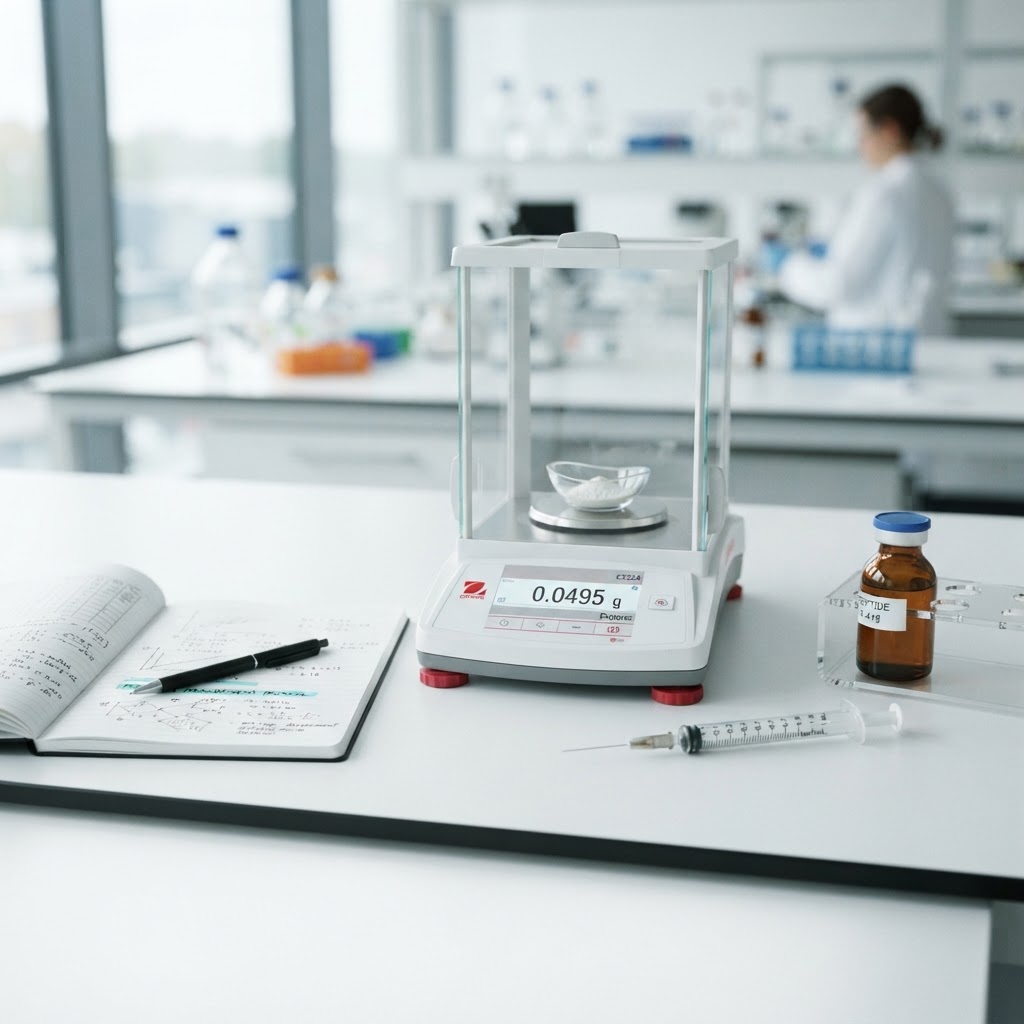
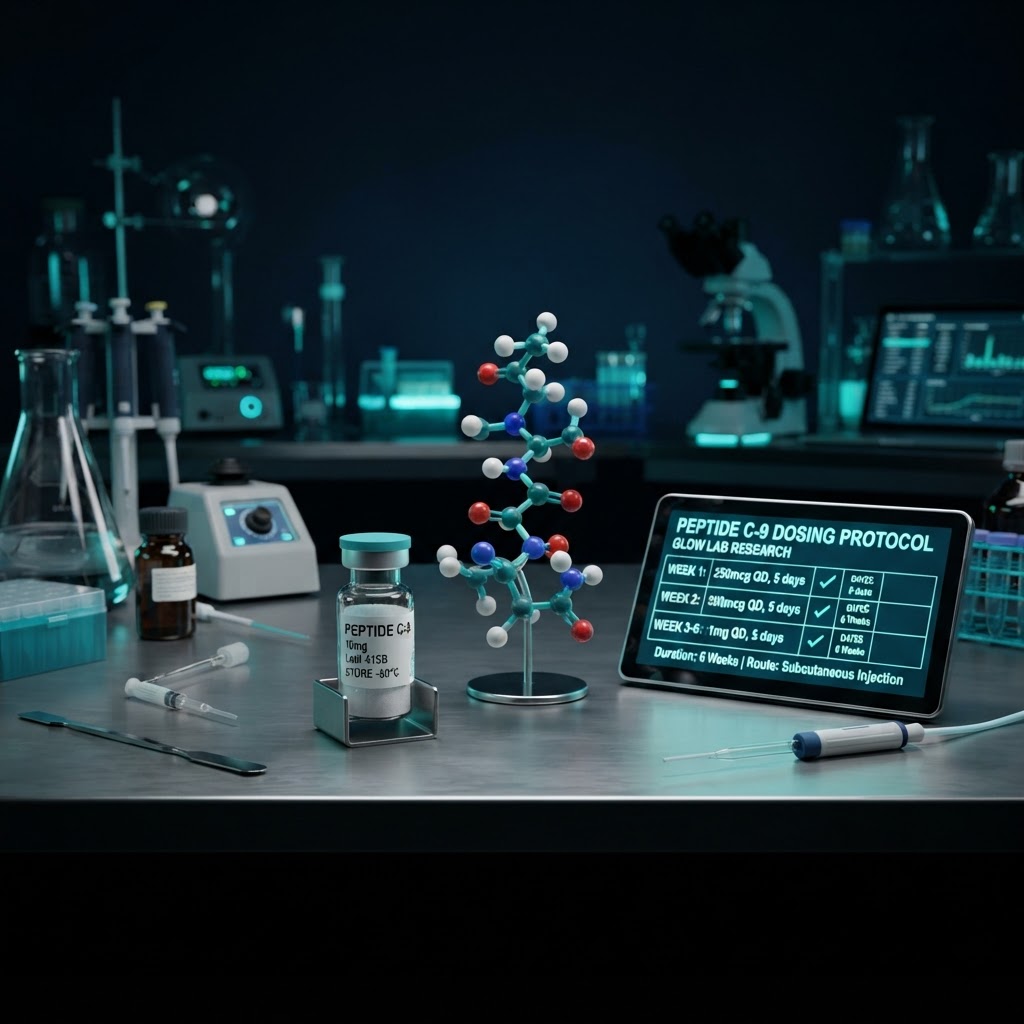
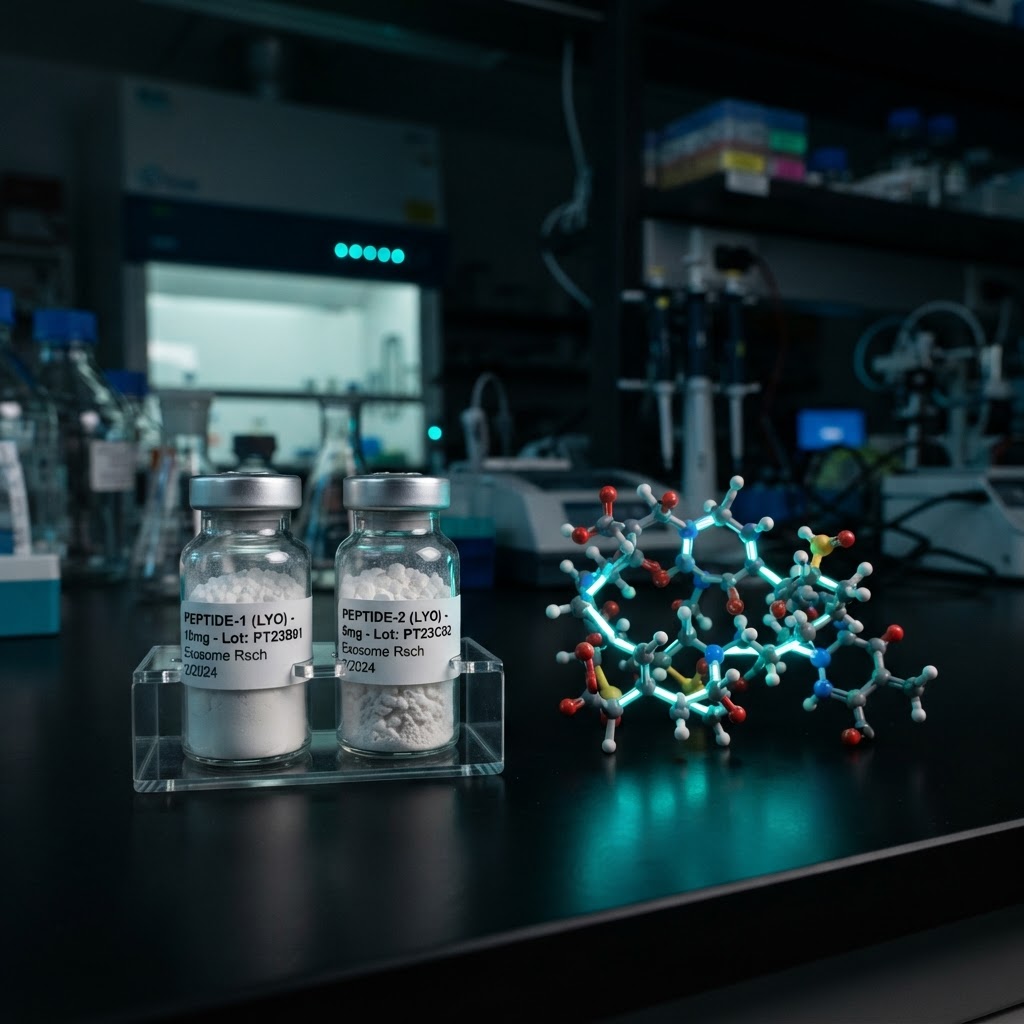
Peptide Storage Best Practices: Lyophilized vs Liquid
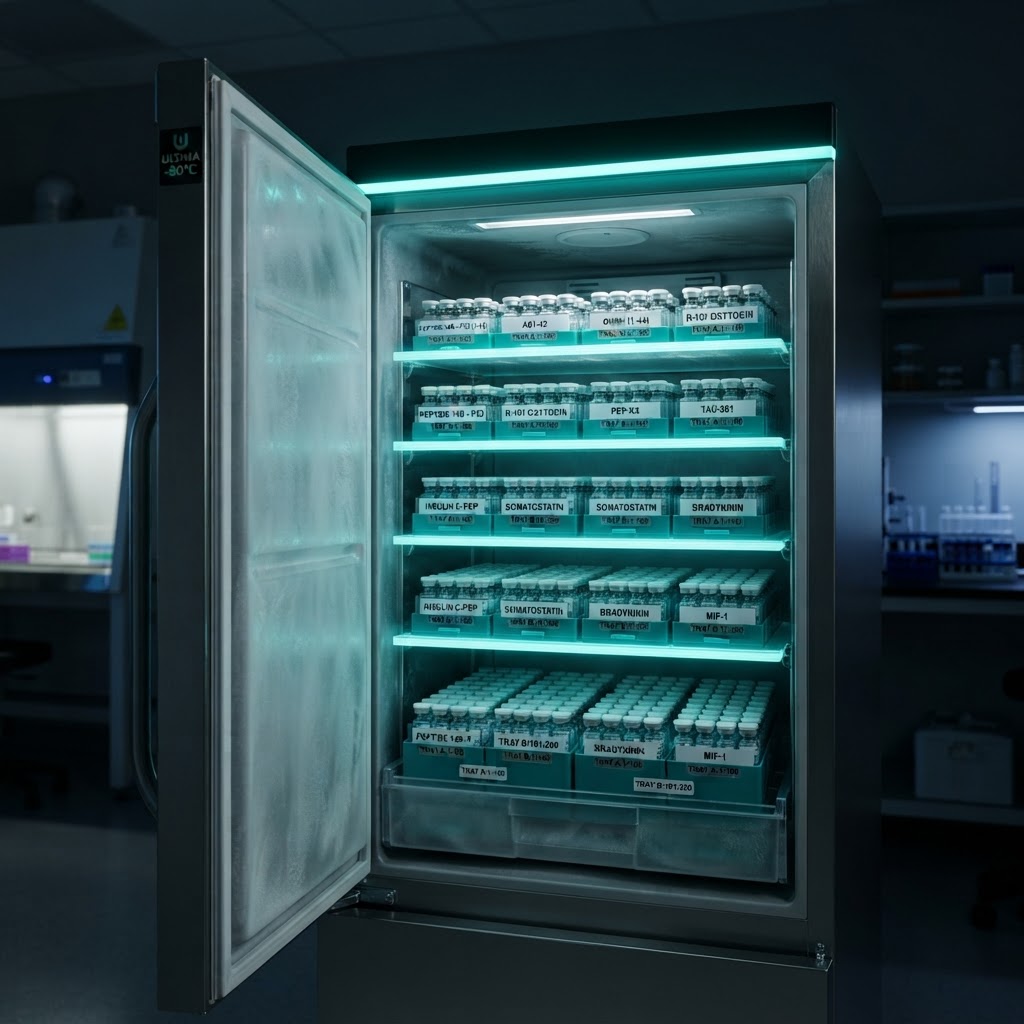
Table of Contents
The Critical Importance of Peptide Stability
Did you know that even minor temperature fluctuations can render an entire batch of high-purity peptides useless for your experimental study? For research professionals, maintaining sample integrity is the cornerstone of reproducible data. Whether you are dealing with complex synthetic chains or simpler sequences, understanding peptide storage best practices is not just a suggestion—it is a laboratory imperative.
What Is Peptide Stability?
Peptide stability refers to the ability of a molecule to maintain its chemical structure and functional efficacy over time. Peptides are naturally sensitive to environmental stressors, including moisture, heat, light, and mechanical agitation. When stored incorrectly, these molecules can undergo degradation, including hydrolysis, oxidation, or aggregation, which significantly alters their biological activity and jeopardizes the outcome of your research.
How Does It Work: Lyophilized vs. Liquid
The state of your peptide dictates your storage strategy. Lyophilized (freeze-dried) peptides are highly stable because the removal of water inhibits hydrolytic degradation. Conversely, peptides in liquid form are inherently less stable and more prone to microbial contamination and degradation by proteases. Understanding the nuances of peptide storage best practices allows you to extend the shelf life of your samples effectively.
- Lyophilized Peptides: Best stored in a moisture-free environment at -20°C or -80°C. They should be kept in a desiccator to prevent atmospheric moisture from compromising the powder.
- Liquid Peptides: Should only be reconstituted using high-purity sterile water or buffer solutions. Once in solution, they must be used immediately or stored in single-use aliquots at ultra-low temperatures to avoid repeated freeze-thaw cycles.
What the Research Says
Scientific literature consistently demonstrates that the most significant factor in peptide degradation is the frequency of freeze-thaw cycles. Each cycle increases the risk of molecular aggregation. Research indicates that peptides should be handled in a cleanroom environment or under a laminar flow hood to prevent contamination. Furthermore, avoid storage in 'frost-free' freezers, which fluctuate in temperature to prevent ice buildup, as these cycles are detrimental to sensitive compounds.
Research Protocols & Dosing Notes
To adhere to rigorous peptide storage best practices, follow these essential laboratory protocols:
- Alquot Early: Divide your reconstituted stock solution into smaller, single-use aliquots before freezing. This prevents the degradation caused by repeated temperature shifts.
- pH Sensitivity: Ensure your buffer maintains a neutral pH, as peptides are often most stable between pH 5.0 and 7.0.
- Temperature Logs: Maintain a strict log of your storage unit temperatures to identify any potential equipment failures before they affect your supply.
- Avoid Light Exposure: Store vials in opaque containers to prevent photo-oxidation of sensitive amino acid residues like tryptophan or tyrosine.
Conclusion
Achieving consistency in your research requires meticulous attention to every variable, especially the environment where your samples reside. By implementing these peptide storage best practices—prioritizing dryness for lyophilized powders and minimizing freeze-thaw cycles for liquid solutions—you can ensure your compounds remain at peak potency for the duration of your study. Biologix Supply remains committed to providing the highest quality research materials to support your scientific endeavors.
Disclaimer: These products are for research purposes only. Not for human consumption.
Biologix Supply Research Team
Expert research team specializing in peptide science and longevity compounds.