Optimizing BPC-157 GHRP-2 Protocol Synergies for Research
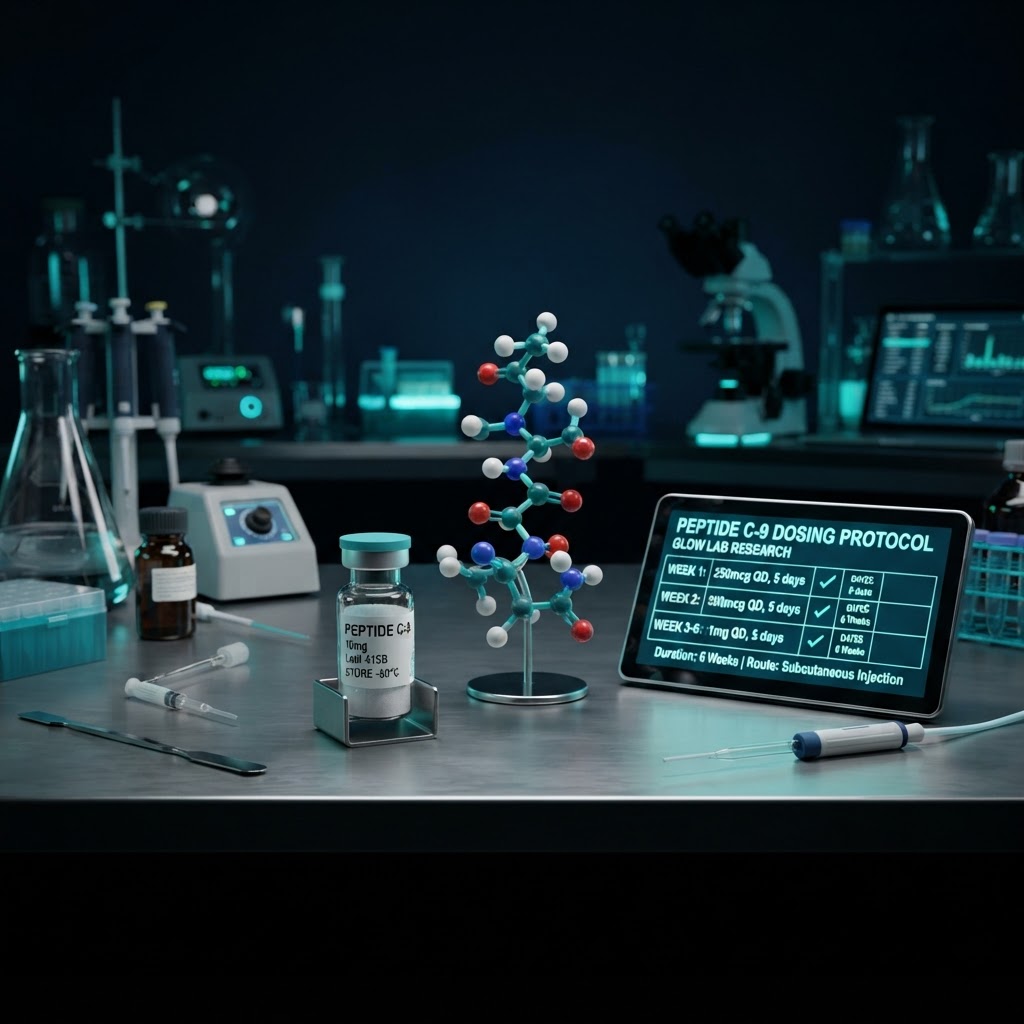
Table of Contents
Can peptide synergy redefine the limits of cellular recovery and growth factor regulation in vitro?
As the landscape of bioresearch evolves, the convergence of multiple signaling peptides has become a focal point for investigators seeking to observe complex biological interactions. The BPC-157 GHRP-2 protocol represents a significant area of interest, blending the cytoprotective properties of BPC-157 with the systemic growth hormone-secretagogue actions of GHRP-2.
What Is BPC-157?
BPC-157, or Body Protection Compound-157, is a synthetic pentadecapeptide derived from a naturally occurring protein found in human gastric juice. In research settings, it has demonstrated a remarkable ability to act as a cytoprotective agent. Unlike standard pharmaceutical interventions, BPC-157 is observed to interact with multiple molecular pathways, particularly those involved in angiogenesis and the healing of mesenchymal tissues such as tendons, ligaments, and the gastrointestinal tract.
How Does It Work?
The efficacy of a BPC-157 GHRP-2 protocol relies on the distinct yet complementary mechanisms of each peptide. BPC-157 is primarily recognized for its role in upregulating vascular endothelial growth factor (VEGF), which facilitates the creation of new blood vessels. By accelerating the repair of micro-vasculature, it creates a conducive environment for structural integrity. In contrast, GHRP-2 (Growth Hormone Releasing Peptide-2) acts as a potent ghrelin receptor agonist. It stimulates the pulsatile release of growth hormone (GH) from the pituitary gland. By increasing systemic GH levels, GHRP-2 provides the necessary metabolic signaling to support tissue proliferation and systemic anabolic responses. When utilized together in a research framework, BPC-157 serves as the site-specific catalyst for repair, while GHRP-2 provides the systemic endocrine amplification needed for comprehensive cellular regeneration.
What the Research Says
Current peer-reviewed literature and ongoing laboratory trials suggest that BPC-157 exhibits potent anti-inflammatory properties by inhibiting the expression of proinflammatory cytokines like TNF-alpha and IL-6. When evaluating the BPC-157 GHRP-2 protocol, researchers often focus on the synergy between systemic growth signaling and localized tissue stabilization. Studies indicate that the modulation of the GH-IGF-1 axis via GHRP-2 can significantly enhance the body's baseline ability to recover from oxidative stress, while BPC-157 ensures the mechanical integrity of connective tissues is maintained throughout these growth phases. This dual-action approach is essential for scientists studying systemic recovery models.
Research Protocols & Dosing Notes
Designing a BPC-157 GHRP-2 protocol requires careful attention to peptide stability and administration frequency. In laboratory subjects, BPC-157 is often administered via subcutaneous or intramuscular pathways at concentrations determined by specific research objectives. Common research concentrations for BPC-157 range from 250mcg to 500mcg per application, depending on the scope of the study. For GHRP-2, because of its action on the pituitary, dosage is typically titrated to observe specific serum GH levels. A frequent observation in study design is the split-dosing of GHRP-2 to avoid the attenuation of the pituitary response, often administered 1-3 times daily. Researchers must maintain strict sterile practices when reconstituting these peptides with bacteriostatic water and ensure that storage conditions remain consistently cold to preserve the molecular integrity of the chains.
Conclusion
The combination of these two peptides opens new avenues for researchers investigating the complex interplay between endocrine regulation and tissue repair. By integrating the systemic growth signal of GHRP-2 with the localized repair capabilities of BPC-157, the BPC-157 GHRP-2 protocol provides a robust framework for high-level research. As with all peptide research, investigators are encouraged to focus on data precision, consistent dosing intervals, and detailed documentation to fully unlock the potential of these compounds.
Disclaimer: These products are for research purposes only. Not for human consumption.
Biologix Supply Research Team
Expert research team specializing in peptide science and longevity compounds.