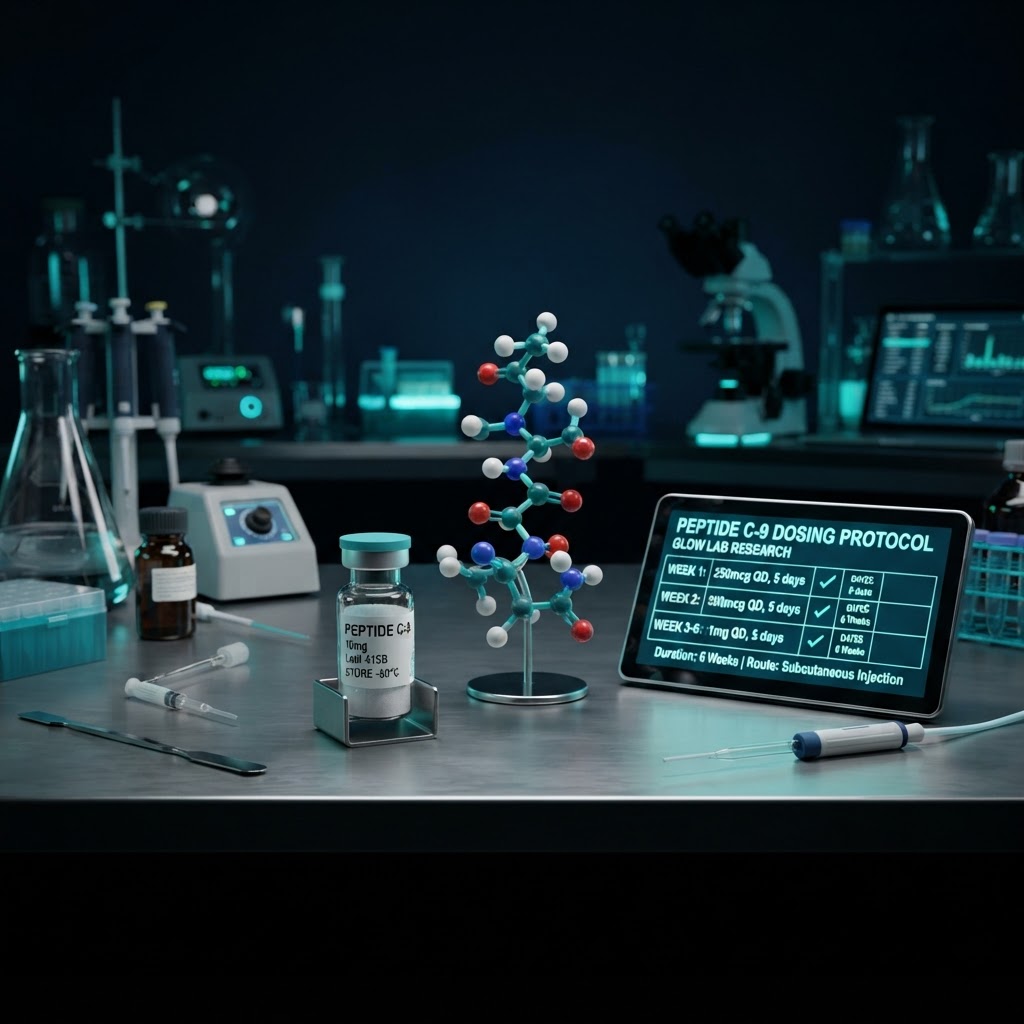
Peptide Reconstitution and Dose Calculation: A Step-by-Step Research Guide
Understanding Peptide Reconstitution and Dosing Calculations in Laboratory Research
In the field of biochemical research, peptides serve as essential tools for studying cellular signaling, protein interactions, and metabolic pathways. For researchers utilizing high-purity peptides from Biologix Supply, the accuracy of experimental data is fundamentally tied to the precision of sample preparation. This guide outlines the rigorous standards for peptide reconstitution and dosing calculations to ensure reproducibility in preclinical laboratory settings.
The Fundamentals of Peptide Reconstitution
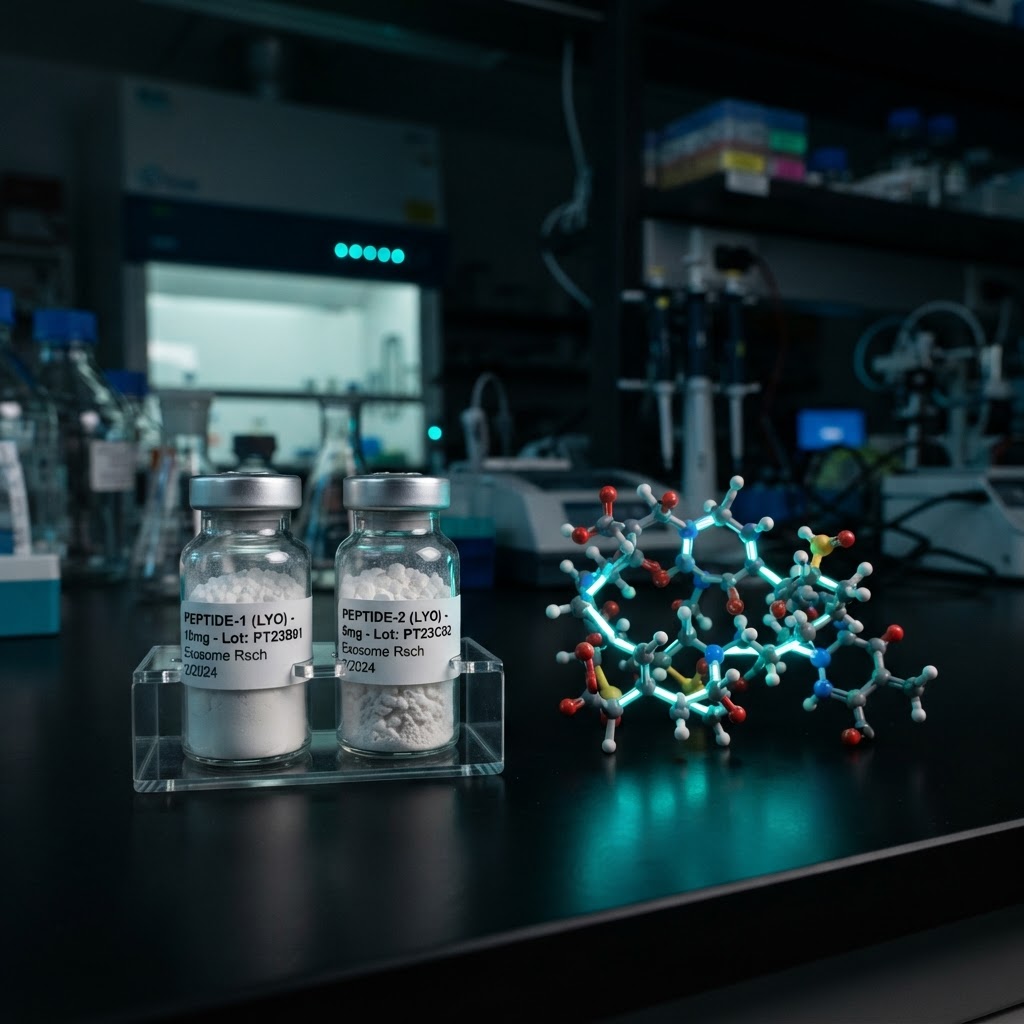
Peptides are typically lyophilized (freeze-dried) to maintain structural integrity and shelf stability. Reconstitution is the process of returning these peptides to a liquid phase using a suitable solvent. The choice of solvent is critical and must be determined based on the specific peptide sequence, particularly its hydrophobicity and isoelectric point. Common solvents include sterile deionized water, phosphate-buffered saline (PBS), or, for hydrophobic sequences, dilute acetic acid or acetonitrile. Always verify the solubility information provided on the product specification sheet before attempting to dissolve the sample.
Mathematical Precision in Dosing Calculations
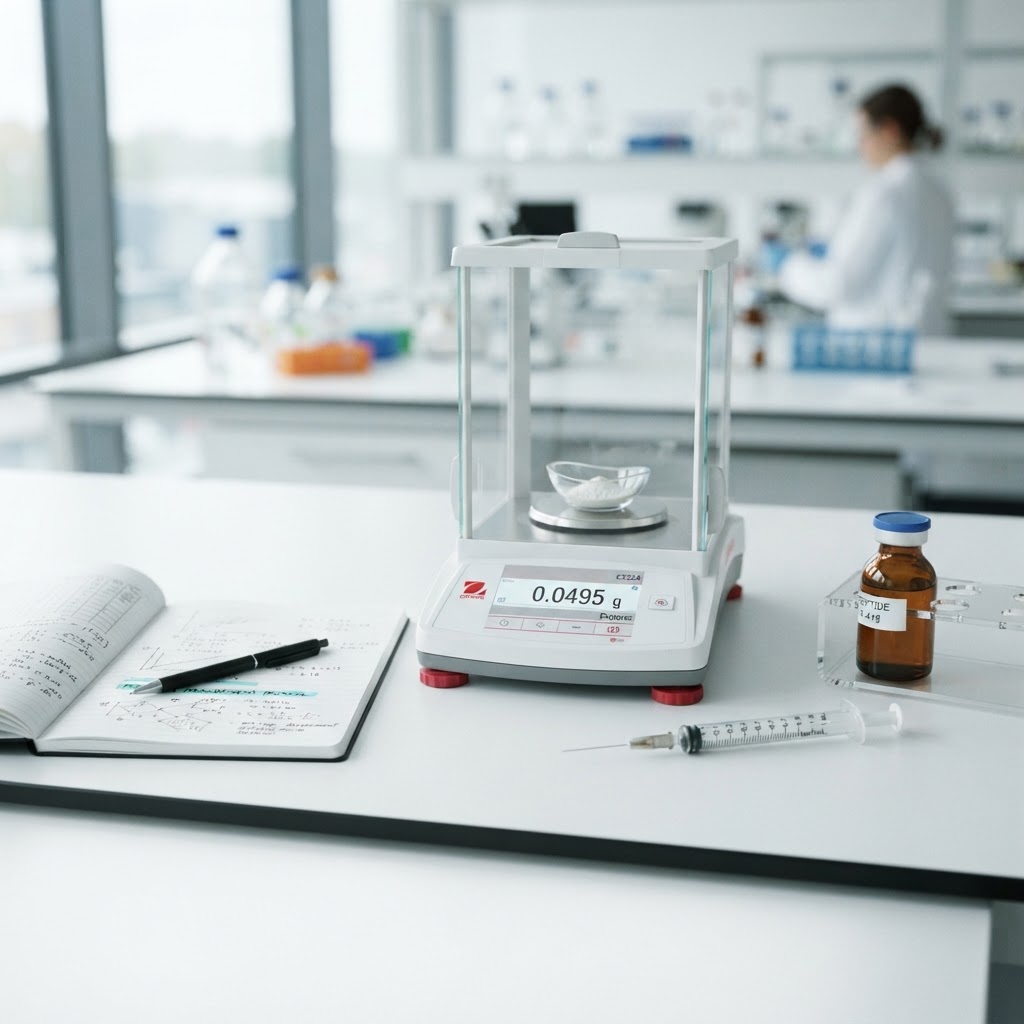
Accurate peptide reconstitution and dosing calculations are the bedrock of reliable quantitative research. To calculate the concentration of a stock solution, researchers must account for the mass of the peptide and the volume of the solvent. The fundamental formula is concentration (C) = mass (m) / volume (V). For instance, if a researcher has 1 mg of a peptide and wishes to create a 1 mg/mL stock solution, 1 mL of solvent is required. Scaling this to experimental dose requirements involves serial dilutions. Researchers should utilize high-precision micropipettes and calibrate them regularly to mitigate volumetric errors that could propagate through downstream assays.
Handling and Storage Best Practices
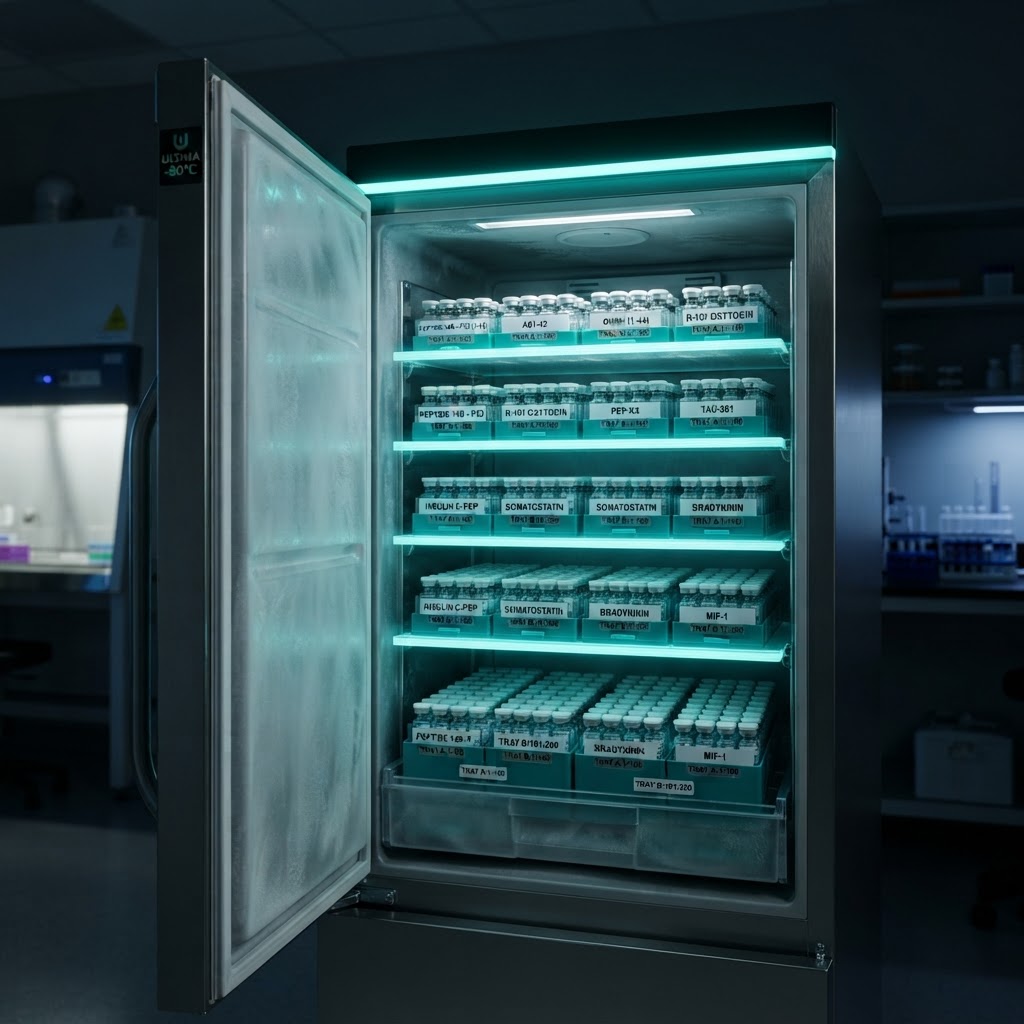
Once the peptide is in solution, its stability may decrease compared to the lyophilized state. To preserve chemical integrity, researchers should adhere to strict handling protocols. Peptide solutions should be kept on ice during active use and stored in small, single-use aliquots at -80°C. Repeated freeze-thaw cycles are known to promote peptide degradation and aggregation, which can skew the results of subsequent laboratory experiments. Avoid glass containers if possible, as peptides may adhere to glass surfaces; high-quality polypropylene tubes are generally preferred.
Standardizing Experimental Protocols
- Determine solubility requirements by analyzing the amino acid composition.
- Use certified volumetric glassware or calibrated micropipettes for all liquid transfers.
- Calculate the required solvent volume based on the total mass stated on the certificate of analysis.
- Ensure the solvent is chemically compatible with the downstream experimental application.
- Record all calculations and batch numbers in laboratory logs for audit trails.
By maintaining strict adherence to these technical protocols, researchers ensure that their preclinical models produce robust and repeatable data. Proper attention to solvent selection, calculation precision, and storage environments minimizes variance and supports the integrity of high-quality peptide-based research.
Research-Use-Only Disclaimer
All peptides provided by Biologix Supply are intended strictly for laboratory research and preclinical testing purposes only. These products are not intended for human or veterinary use, consumption, or diagnostic procedures. Researchers are expected to possess the necessary training to handle biochemical materials safely and to comply with all institutional biosafety guidelines and local regulatory requirements regarding the use of research chemicals.
Biologix Supply Research Team