Peptide Storage Best Practices: Lyophilized vs Liquid Explained
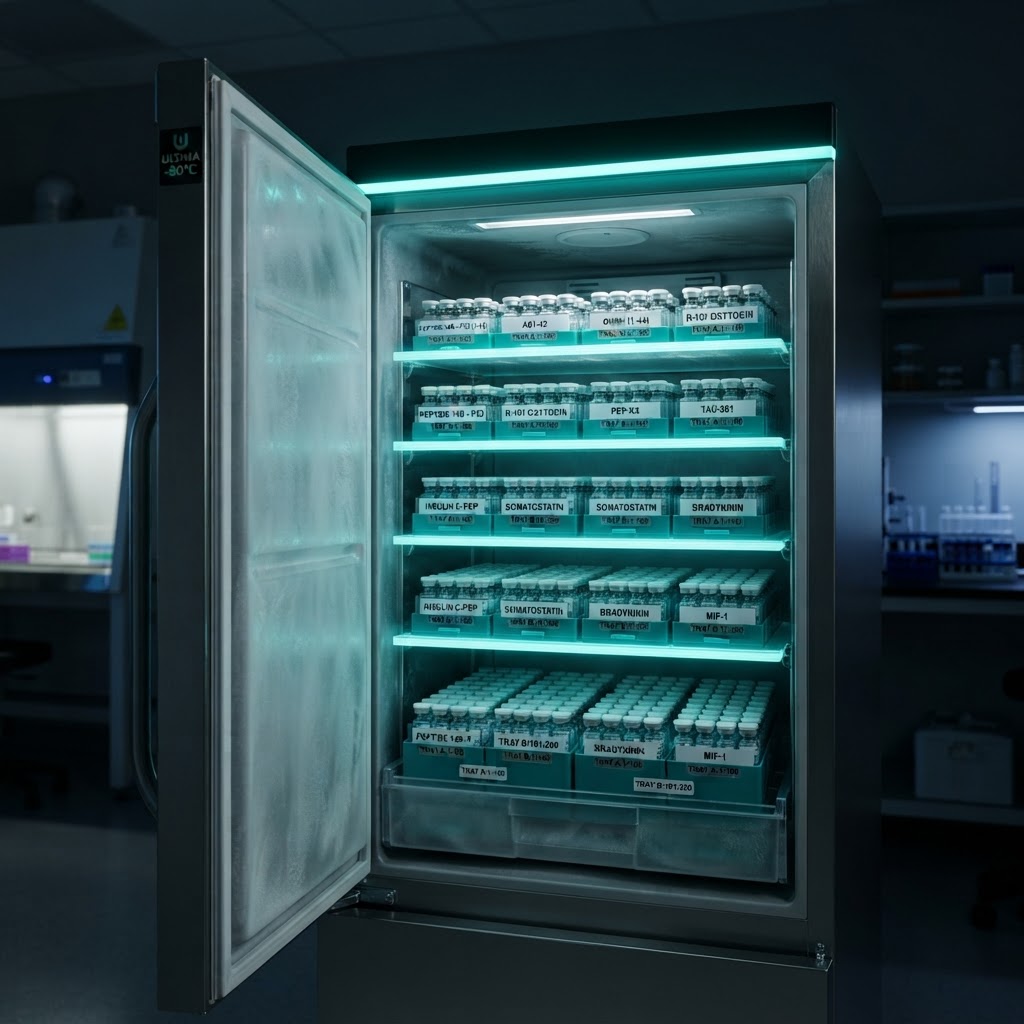
Table of Contents
The Critical Importance of Peptide Integrity
Did you know that improper handling can degrade peptide purity by over 30% within a matter of days? For researchers working with sensitive compounds, understanding peptide storage best practices is not just a laboratory recommendation—it is a foundational requirement for reproducible, high-quality data.
What Is Peptide Stability?
Peptide stability refers to the chemical and physical integrity of a polypeptide chain. Peptides are naturally prone to hydrolysis, oxidation, and microbial degradation. When we discuss peptide storage best practices, we are essentially discussing the methods used to minimize the activation energy required for these degradation pathways, ensuring the compound remains in its intended, active form for the duration of the study.
How Does It Work?
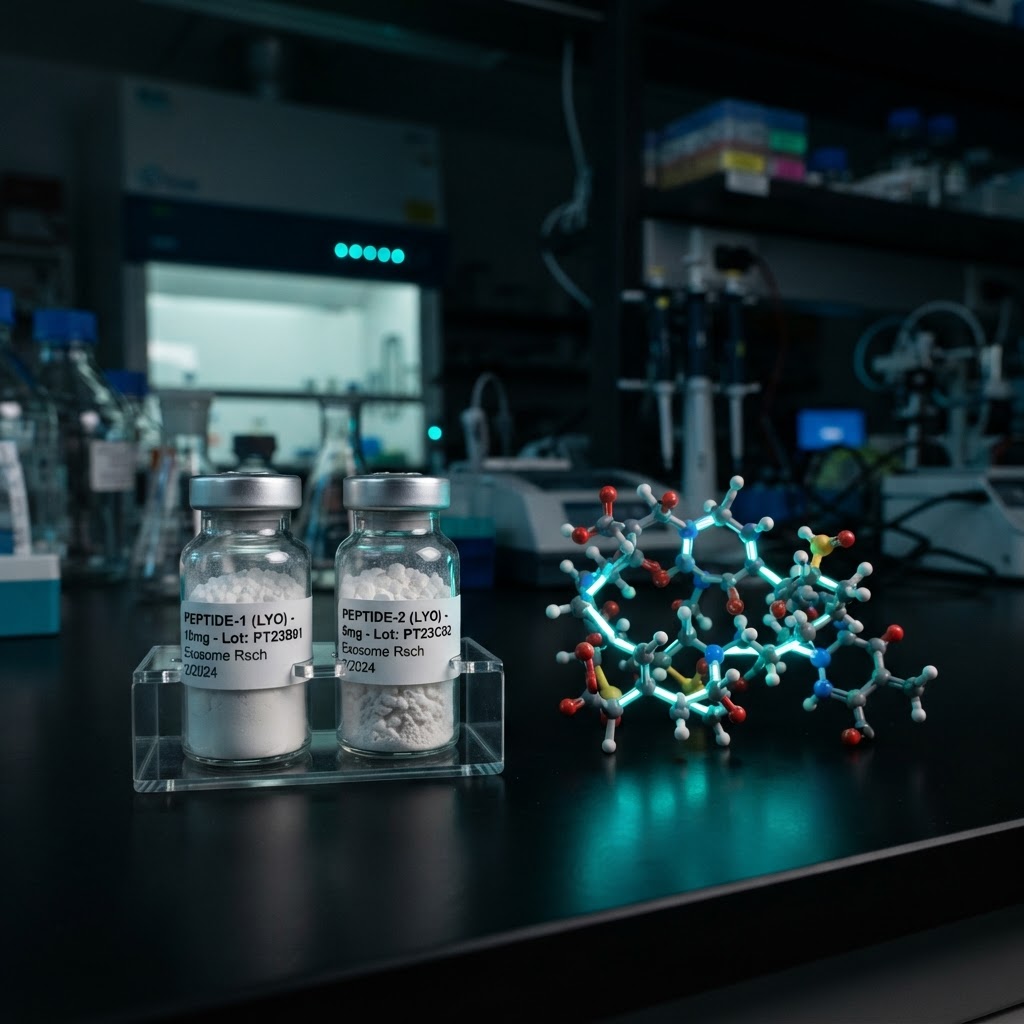
Peptides are typically provided in two primary states: lyophilized (freeze-dried) powder or liquid solution. Lyophilization is a dehydration process that removes water under a vacuum, effectively putting the peptide into a 'suspended animation' state. Once reconstituted into a liquid, the peptide becomes significantly more reactive and vulnerable to environmental stressors. Liquid storage requires careful management of pH, temperature, and buffer selection to prevent aggregation or cleavage.
What the Research Says
Scientific literature consistently demonstrates that lyophilized peptides are far more stable than their liquid counterparts. Research indicates that keeping peptides in a dry, dark, and cold environment (typically -20°C or -80°C) prevents the hydration that leads to hydrolysis. When handling liquid peptides, it is widely accepted that freeze-thaw cycles are the primary enemy; repeat cycling can lead to significant protein denaturation. Therefore, long-term storage of liquid peptides should always involve aliquoting into small, single-use volumes to maintain experimental consistency.
Research Protocols & Dosing Notes
To ensure you are adhering to the highest standards of peptide storage best practices, consider the following technical guidelines:
- Temperature Management: Store lyophilized vials at -20°C for short-term and -80°C for long-term usage.
- Moisture Control: Always allow vials to reach room temperature before opening to prevent condensation from forming inside, which can lead to rapid degradation.
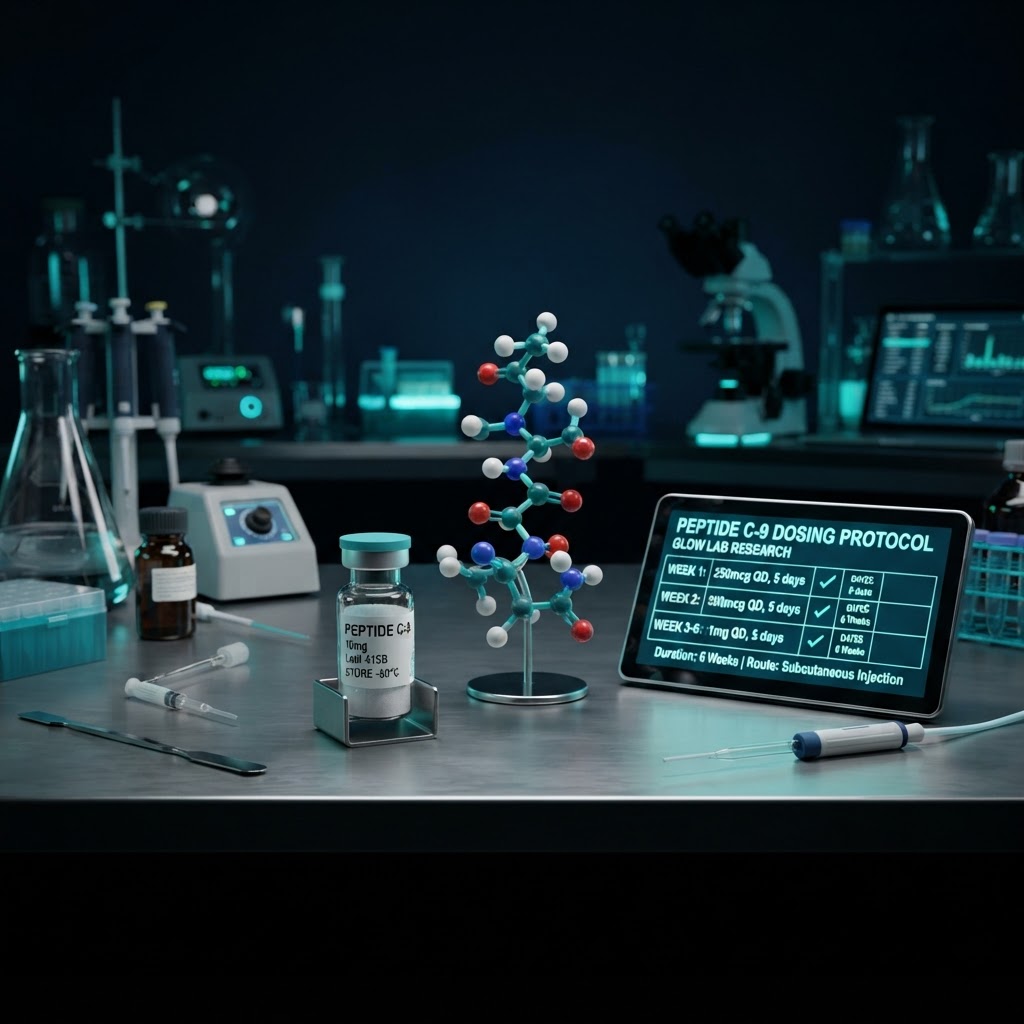
- Solvent Selection: Use high-purity, sterile water or bacteriostatic agents as specified in your protocol. Ensure the final pH is optimized for the specific peptide sequence.
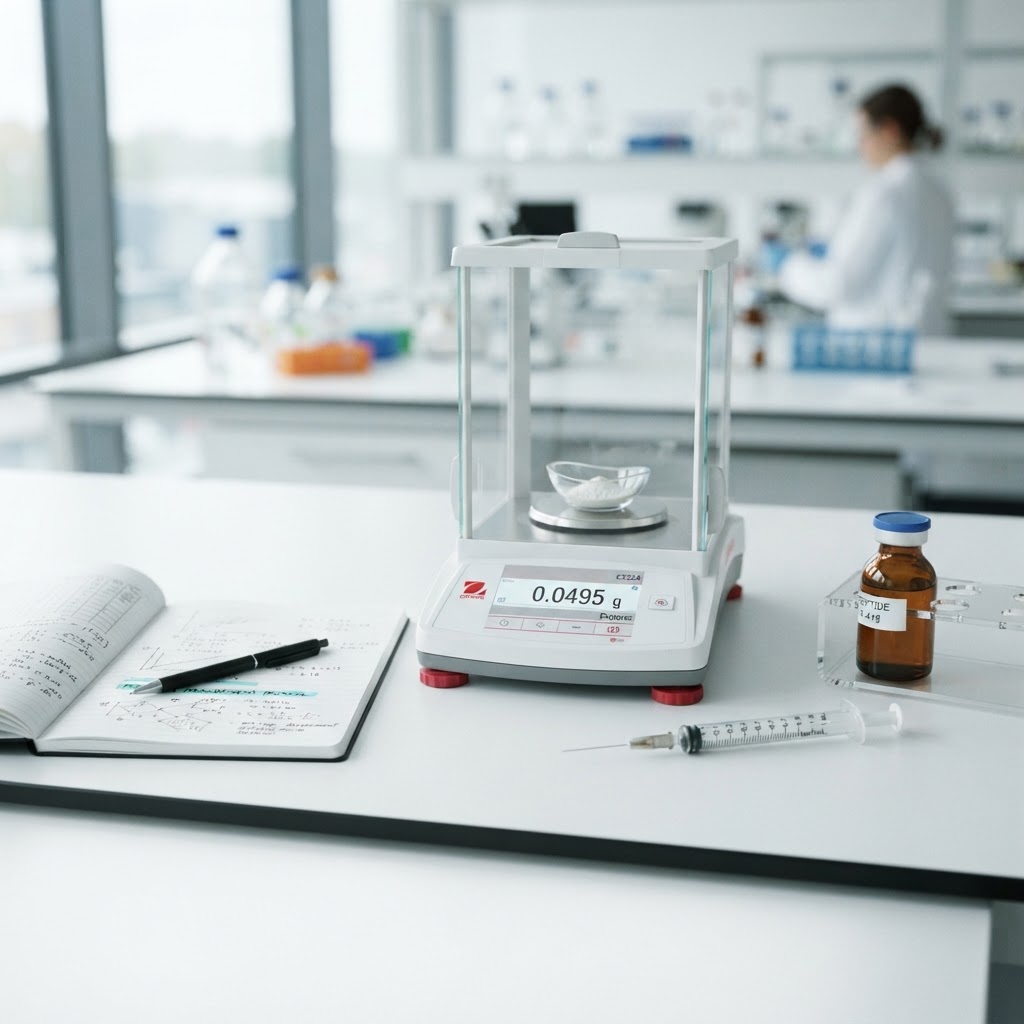
- Aliquoting: When working with liquid solutions, prepare individual aliquots to ensure that only the necessary amount is thawed per trial, avoiding the risks associated with multiple freeze-thaw cycles.
Conclusion
Mastering peptide storage best practices is essential for any laboratory dedicated to precise, reliable outcomes. By distinguishing between the high stability of lyophilized powders and the delicate requirements of liquid solutions, researchers can effectively extend the shelf life and efficacy of their compounds. Always maintain strict laboratory logs to track storage conditions and usage, ensuring that your research remains untainted by degradation variables.
Disclaimer: These products are for research purposes only. Not for human consumption.
Biologix Supply Research Team
Expert research team specializing in peptide science and longevity compounds.