Epithalon Telomere Extension: Unlocking Anti-Aging Science

Table of Contents
The Quest for Cellular Longevity
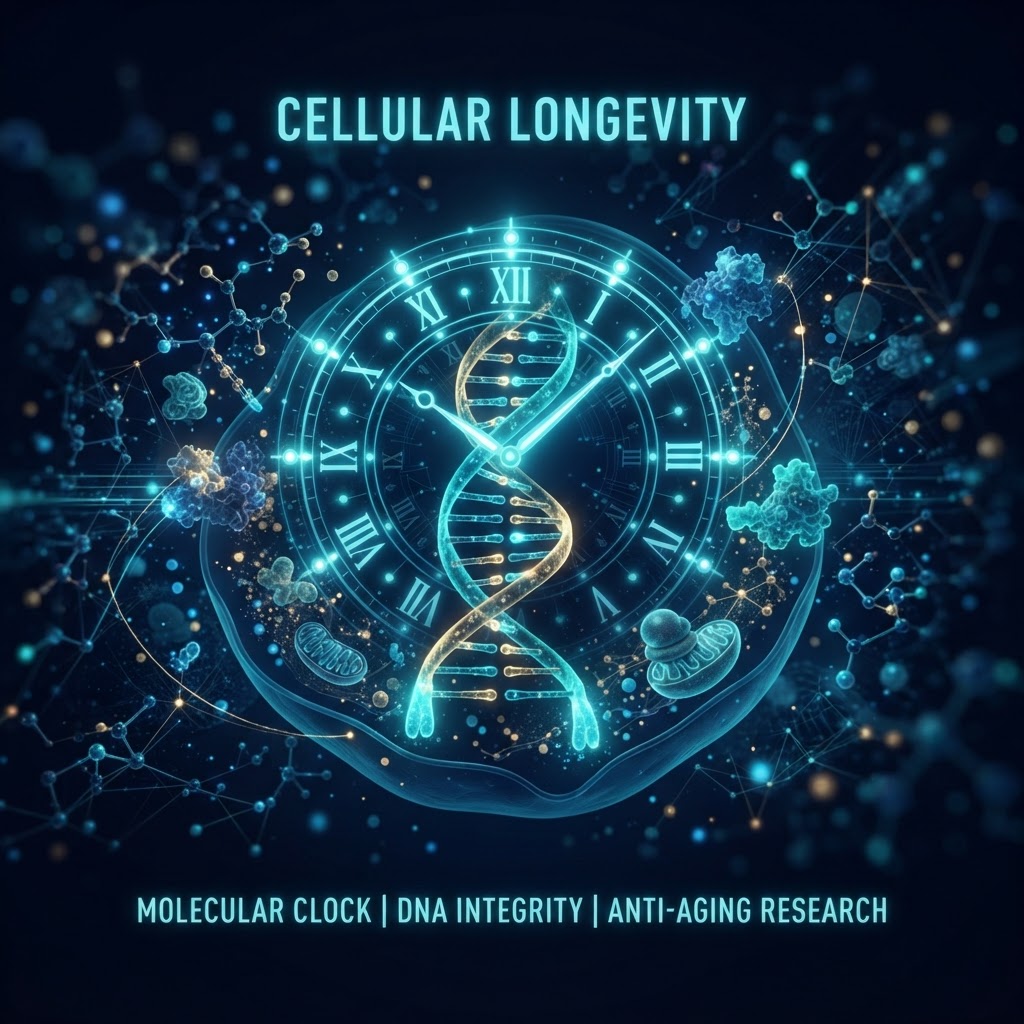
Did you know that the biological clock governing cellular division is physically tied to the length of your chromosomes? As organisms age, telomeres—the protective caps at the end of DNA strands—gradually shorten, leading to cellular senescence and systemic decline. Among the various compounds studied in modern biochemistry, Epithalon telomere extension has emerged as a focal point for researchers aiming to understand the molecular mechanisms of life extension.
What Is Epithalon?
Epithalon is a synthetic peptide derived from the naturally occurring polypeptide Epithalamin, which is secreted by the pineal gland. Structurally, it is a short peptide consisting of four amino acids: L-alanyl-L-glutamyl-L-aspartyl-glycine. In clinical research, it has gained attention for its potential to stimulate telomerase activity—the enzyme responsible for maintaining telomere length. By influencing the pineal-hypothalamic axis, this peptide acts as a geroprotective agent that has been extensively studied in laboratory models to evaluate its impact on lifespan and endocrine regulation.
How Does It Work?
The primary mechanism behind Epithalon telomere extension involves the activation of the telomerase enzyme. Under normal physiological conditions, telomeres shorten with every round of cell division, eventually triggering apoptosis or senescence when the telomeres become critically short. Epithalon appears to counteract this process through two main pathways:
- Telomerase Activation: It upregulates the expression of the TERT (telomerase reverse transcriptase) gene, effectively slowing or reversing telomere erosion.
- Neuroendocrine Regulation: By restoring melatonin rhythms and regulating the sensitivity of the hypothalamus, it helps recalibrate the organism's homeostatic responses to stress and aging.
By preventing the degradation of these DNA 'caps,' the peptide may theoretically support genomic stability, allowing cells to undergo division cycles beyond their standard biological limits.
What the Research Says
Numerous longitudinal studies on Epithalon telomere extension have been conducted, primarily in animal models and in vitro cell cultures. Research published in journals like Mechanisms of Ageing and Development has indicated that subjects treated with the peptide displayed a marked increase in lifespan compared to control groups. Furthermore, the peptide has been observed to reduce the incidence of spontaneous tumors in murine models, suggesting that the stabilization of telomeres may also improve the efficiency of DNA repair mechanisms. While the data is compelling, it remains a subject of ongoing clinical investigation to determine the exact thresholds and variables that lead to these longevity outcomes.
Research Protocols & Dosing Notes
In academic and clinical research environments, Epithalon is typically administered via subcutaneous or intramuscular injection to ensure bioavailability. Studies have explored varying cycle lengths, with common protocols involving daily injections of 1 mg to 10 mg over a period of 10 to 20 days. Researchers often note that the peptide is highly stable, but consistent storage in a lyophilized state at -20°C is essential for maintaining experimental integrity. Because the substance influences endocrine balance, baseline hormone panels and baseline telomere length measurements are standard requirements for researchers conducting peer-reviewed trials.
Conclusion
The study of Epithalon telomere extension represents a fascinating intersection of gerontology and peptide science. While its ability to influence telomerase activity provides a promising roadmap for future anti-aging interventions, rigorous empirical analysis remains the gold standard for defining its long-term safety and efficacy. As we continue to bridge the gap between theoretical molecular biology and clinical application, Epithalon remains one of the most potent tools available for the study of cellular senescence.
Disclaimer: These products are for research purposes only. Not for human consumption.
Biologix Supply Research Team
Expert research team specializing in peptide science and longevity compounds.