Peptides for Longevity: Top 5 Compounds Researchers Study
Table of Contents
The Pursuit of Biological Optimization
Did you know that the rate of biological aging can be influenced by specific signaling molecules? As global research shifts toward geroscience, peptides for longevity have emerged as the most promising candidates for modulating cellular repair, mitochondrial efficiency, and metabolic stability. This article examines the top five compounds currently under intense scrutiny by laboratory investigators worldwide.
1. Epitalon (Epithalon)
What Is Epitalon?
Epitalon is a synthetic telomerase activator derived from the pineal peptide epithalamin. It is widely considered a foundational compound in the study of biological aging.
How Does It Work?
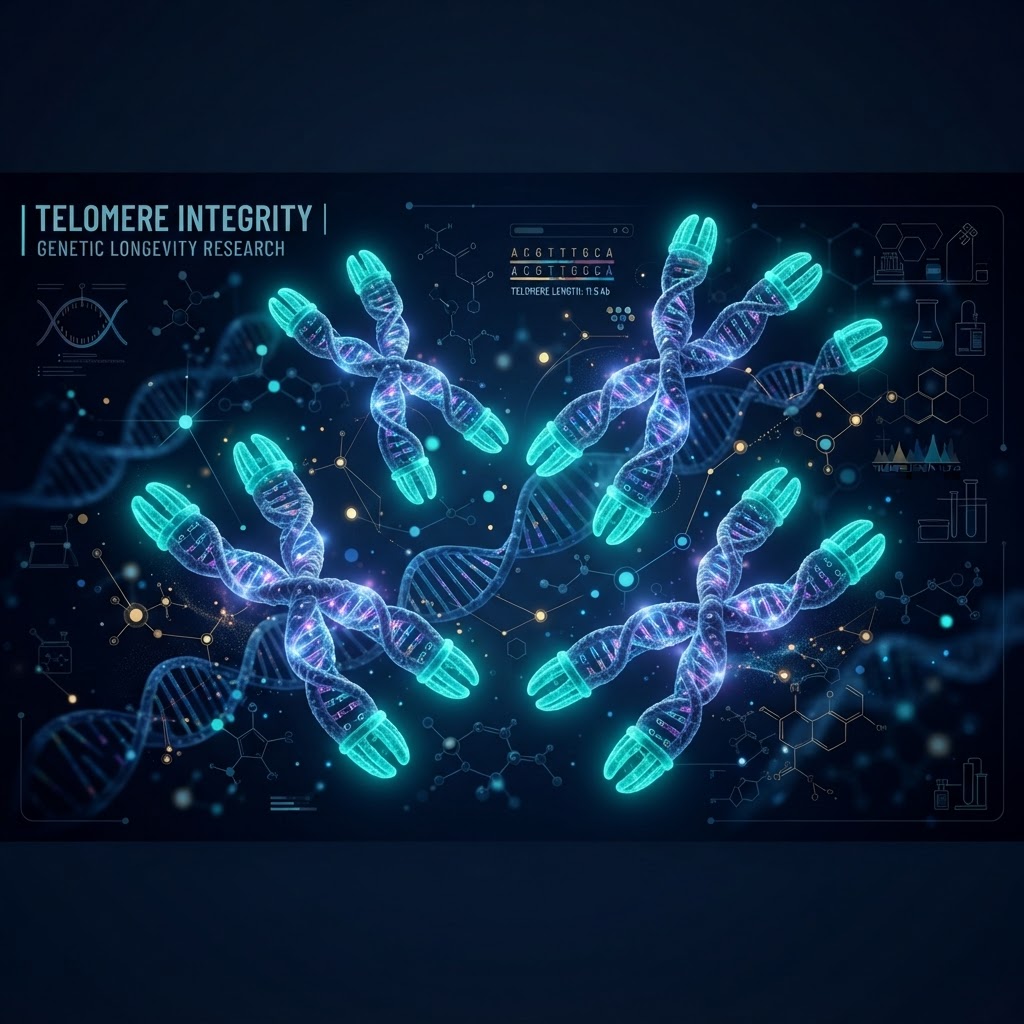
Research suggests that Epitalon induces the expression of telomerase, the enzyme responsible for maintaining the length of telomeres—the protective caps on the ends of chromosomes that shorten with each cell division.
What the Research Says
Studies have observed significant improvements in endocrine function and circadian rhythm regulation in animal models, suggesting a potential for delaying age-related pathologies.
Research Protocols & Dosing Notes
In various rodent models, researchers often utilize dosing ranging from 100mcg to 500mcg per injection, typically cycled over 10 to 20 days.
2. GHK-Cu (Copper Peptide)
What Is GHK-Cu?
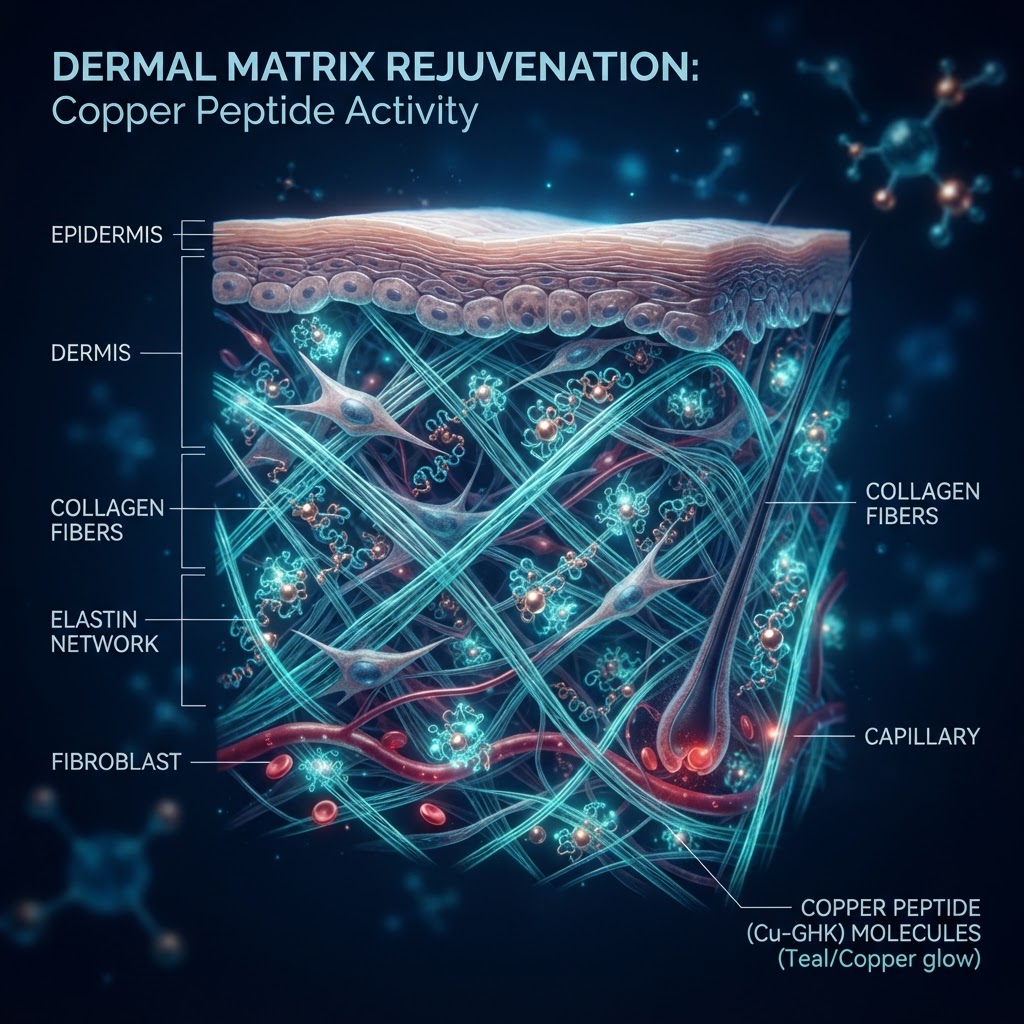
GHK-Cu is a naturally occurring tripeptide complexed with copper, known for its ability to modulate gene expression in human fibroblasts.
How Does It Work?
This compound acts as a powerful epigenetic modulator, potentially resetting thousands of genes to a more youthful state and promoting efficient collagen synthesis.
What the Research Says
Experimental data highlight its role in skin tissue regeneration, wound healing, and the suppression of pro-inflammatory cytokines.
Research Protocols & Dosing Notes
In topical research applications, concentrations of 0.1% to 1.0% are standard. Systemic studies often focus on stabilized aqueous solutions for intravenous or subcutaneous delivery.
3. BPC-157
What Is BPC-157?
BPC-157 is a stable gastric pentadecapeptide known for its cytoprotective properties and systemic regenerative capabilities.
How Does It Work?
It exerts its effects by upregulating growth factor receptors, including VEGFR2, which promotes angiogenesis and tissue remodeling.
What the Research Says
Beyond tendon and ligament repair, recent literature explores its neuroprotective effects and its ability to counteract systemic oxidative stress.
Research Protocols & Dosing Notes
Laboratory models typically utilize dosages between 250mcg and 500mcg, administered once or twice daily depending on the specific study parameters.
4. Thymalin
What Is Thymalin?
Thymalin is a polypeptide preparation extracted from the thymus gland, essential for immune system homeostasis.
How Does It Work?
It influences the differentiation of T-lymphocytes and enhances the overall efficiency of the immune system, which naturally declines with age.
What the Research Says
Clinical studies in aging populations have shown potential for improved resistance to infectious challenges and stabilized cytokine profiles.
Research Protocols & Dosing Notes
Standardized research protocols often involve 10mg vials, with investigators observing immune markers over a 10-day administration cycle.
5. MOTS-c
What Is MOTS-c?
MOTS-c is a mitochondrial-derived peptide encoded in the mitochondrial DNA, acting as a crucial mediator of metabolic health.
How Does It Work?
It targets the skeletal muscle to regulate glucose metabolism and insulin sensitivity, effectively mimicking the effects of physical exercise at the cellular level.
What the Research Says
Researchers are evaluating MOTS-c for its ability to prevent age-dependent metabolic dysfunction and enhance physical performance in aging cohorts.
Research Protocols & Dosing Notes
Dosing in small animal models frequently centers on 5mg per kg, delivered via subcutaneous injection to assess metabolic shifts.
Conclusion
The field of peptides for longevity represents a sophisticated frontier in biological research. While current data are robust, continued study is essential to fully understand the long-term safety and efficacy profiles of these compounds. Biologix Supply remains committed to providing the highest purity compounds for your laboratory requirements.
Disclaimer: These products are for research purposes only. Not for human consumption.
Biologix Supply Research Team
Expert research team specializing in peptide science and longevity compounds.