Peptide Storage Best Practices: Lyophilized vs Liquid Explained
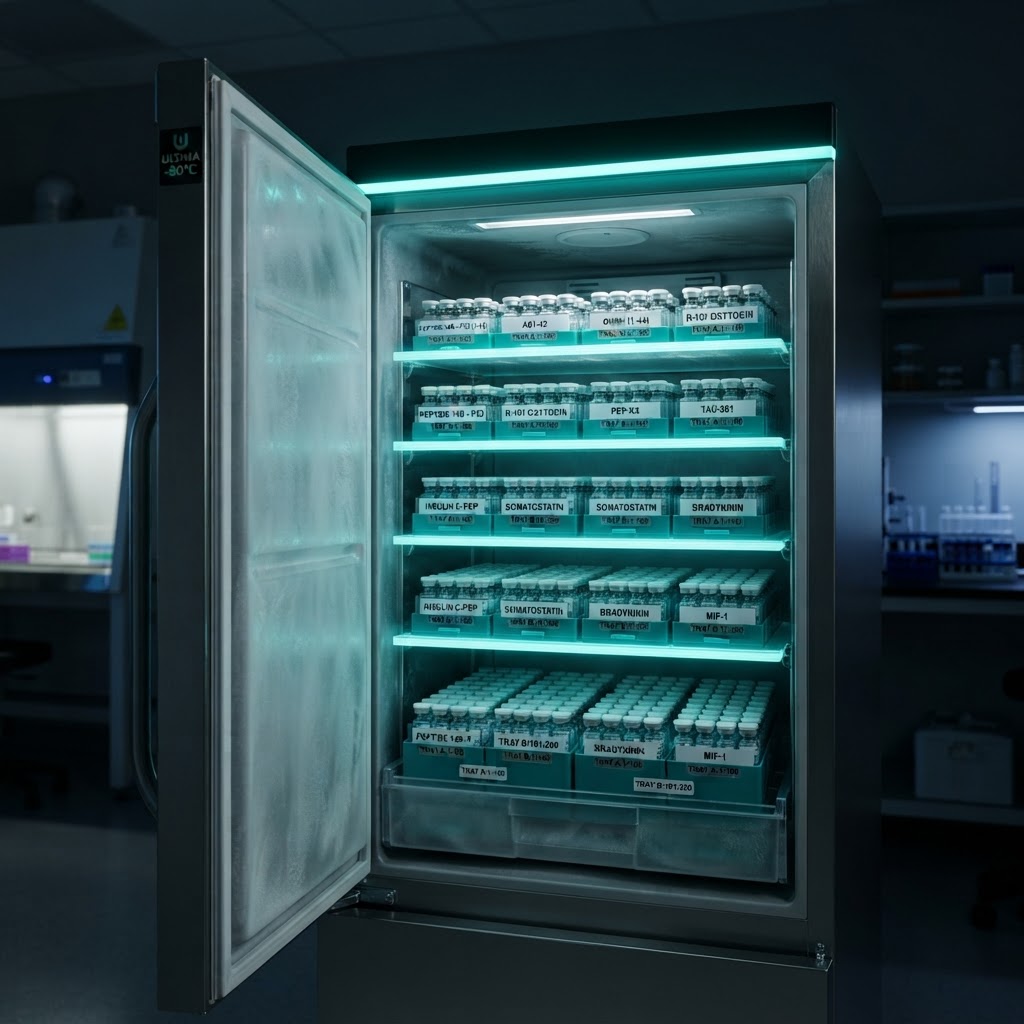
Table of Contents
The Critical Importance of Peptide Integrity
Did you know that improper storage conditions can degrade high-purity peptides in as little as 24 hours? For research scientists, maintaining the integrity of experimental compounds is not just a preference; it is a foundational requirement for reproducible data. Understanding peptide storage best practices is essential for any laboratory environment.
What Is Peptide Stability?
Peptide stability refers to the compound's ability to maintain its chemical structure and biological activity over time. Peptides are naturally susceptible to degradation through hydrolysis, oxidation, and microbial contamination. Because these molecules are often fragile, the physical state—whether lyophilized (powder) or reconstituted (liquid)—dictates the storage requirements necessary to prevent irreversible denaturing.
How Do Lyophilized and Liquid States Differ?
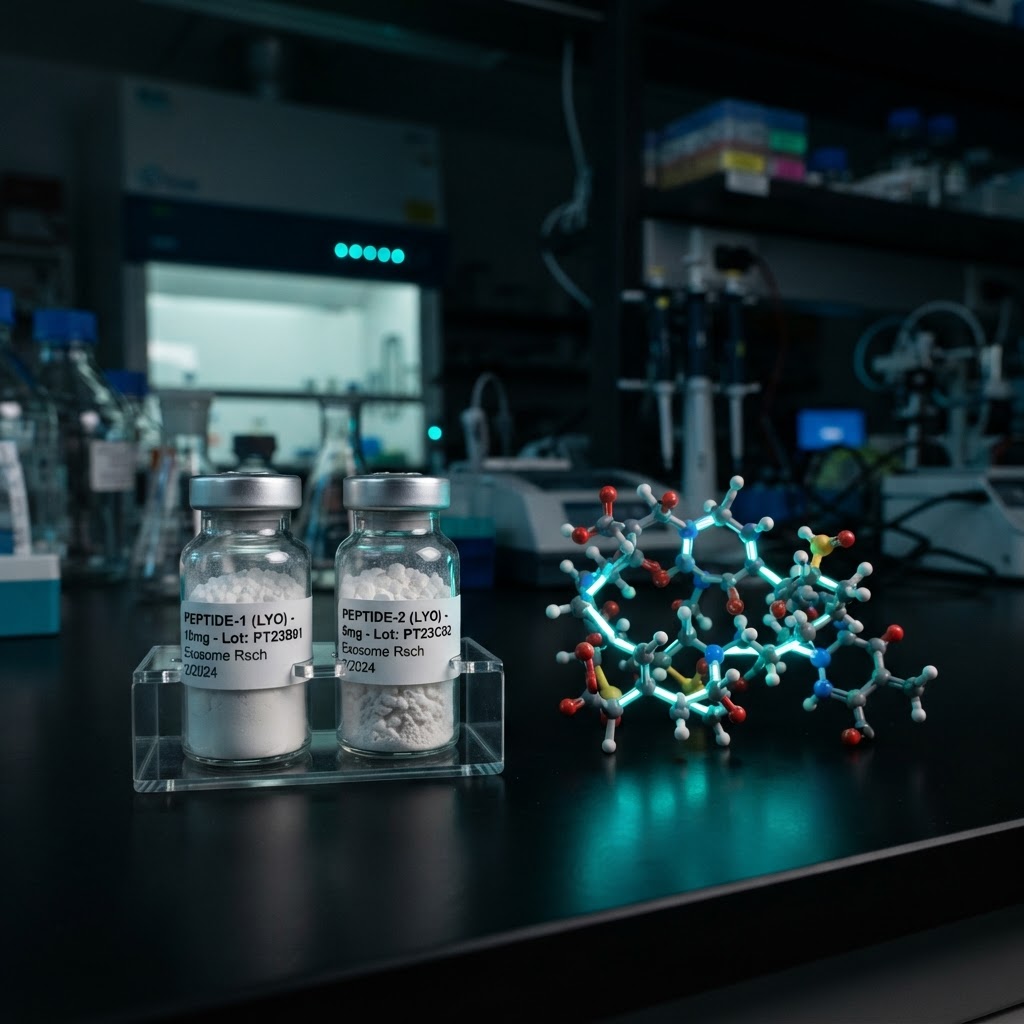
Lyophilized peptides, or freeze-dried powders, represent the gold standard for long-term storage. The process of lyophilization removes water, which is the primary catalyst for chemical degradation. When stored correctly, lyophilized compounds can remain stable for years.
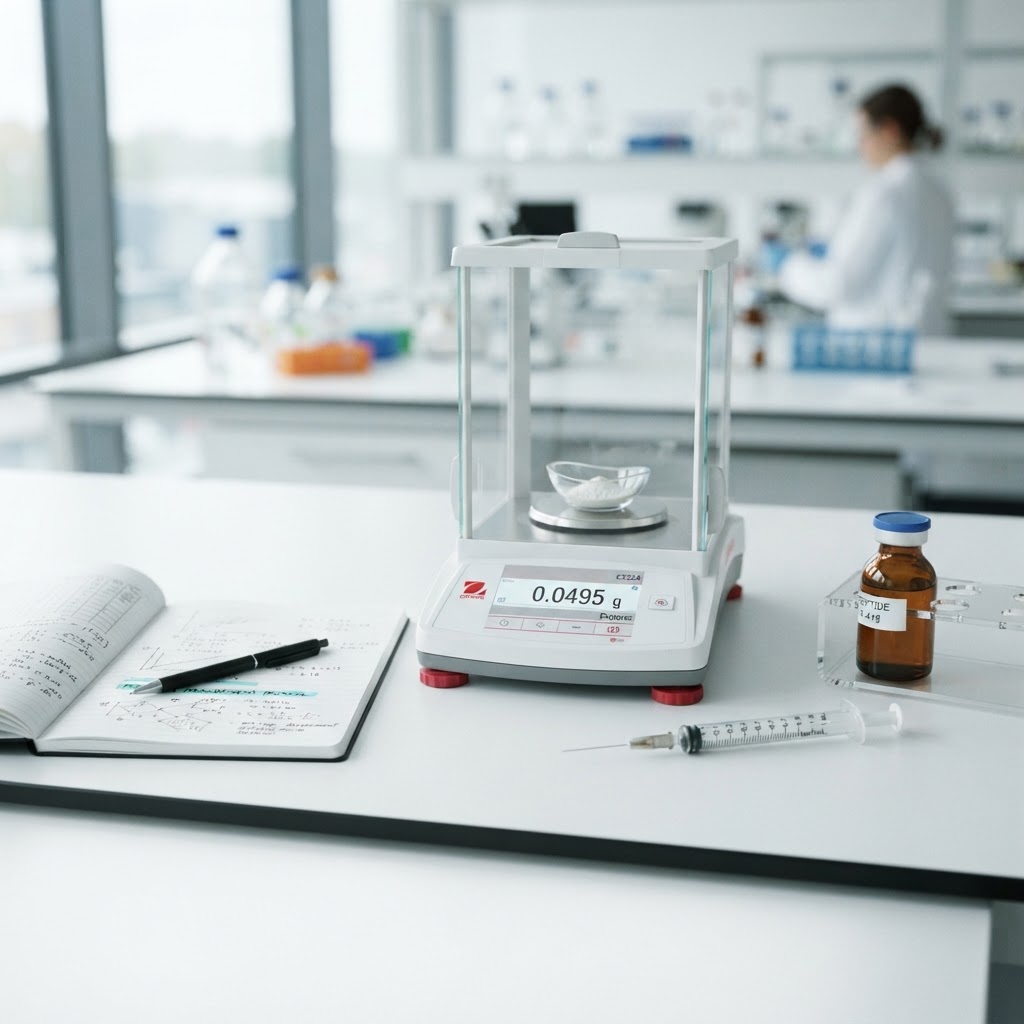
Liquid peptides, conversely, have been reconstituted in a solvent, typically bacteriostatic water or saline. Once the powder enters a liquid state, its shelf life is drastically reduced. While liquid solutions are more convenient for immediate use, they introduce the potential for peptide cleavage and aggregation.
What the Research Says Regarding Storage Protocols
Scientific literature consistently emphasizes the 'Cold Chain' approach for compound longevity. For lyophilized peptides, keeping the vial in a cool, dry environment is paramount. While some argue that room temperature is acceptable for very short durations, research institutions recommend storage at -20°C or -80°C for long-term integrity. The key to successful peptide storage best practices is minimizing the transition cycles between freezer temperatures and room temperature, as condensation within the vial can compromise the peptide batch.
For reconstituted liquid peptides, the advice changes significantly. Once diluted, the peptide is prone to freeze-thaw degradation. Research teams should aliquot their reconstituted solutions into single-use vials to prevent repeated temperature shifts. While many aqueous solutions are stable at 4°C for short periods, extended storage requires careful pH management and the addition of stabilizers to ensure the peptide remains within its functional parameters.
Research Protocols & Dosing Notes
When preparing your research, adhere to these strictly controlled handling procedures:
- Avoid Excessive Handling: Only remove the peptide vial from the freezer when ready to use.
- Temperature Stabilization: Always allow the vial to reach room temperature before opening to prevent atmospheric moisture from condensing inside the container.
- Aliquot Strategy: If your research protocol spans several weeks, avoid constant thawing of the stock solution. Create small aliquots and store them at -80°C.
- Use Proper Solvents: Always use USP-grade bacteriostatic water to minimize bacterial growth in liquid solutions.
Conclusion
Mastering peptide storage best practices is a cornerstone of professional research. By understanding the chemical sensitivities of your compounds and choosing the appropriate storage environment—be it dry, sub-zero lyophilized storage or carefully managed, refrigerated aliquots—you ensure that your results are based on pure, high-quality material. Invest in proper storage equipment to protect your research outcomes and the integrity of your laboratory findings.
Disclaimer: These products are for research purposes only. Not for human consumption.
Biologix Supply Research Team
Expert research team specializing in peptide science and longevity compounds.