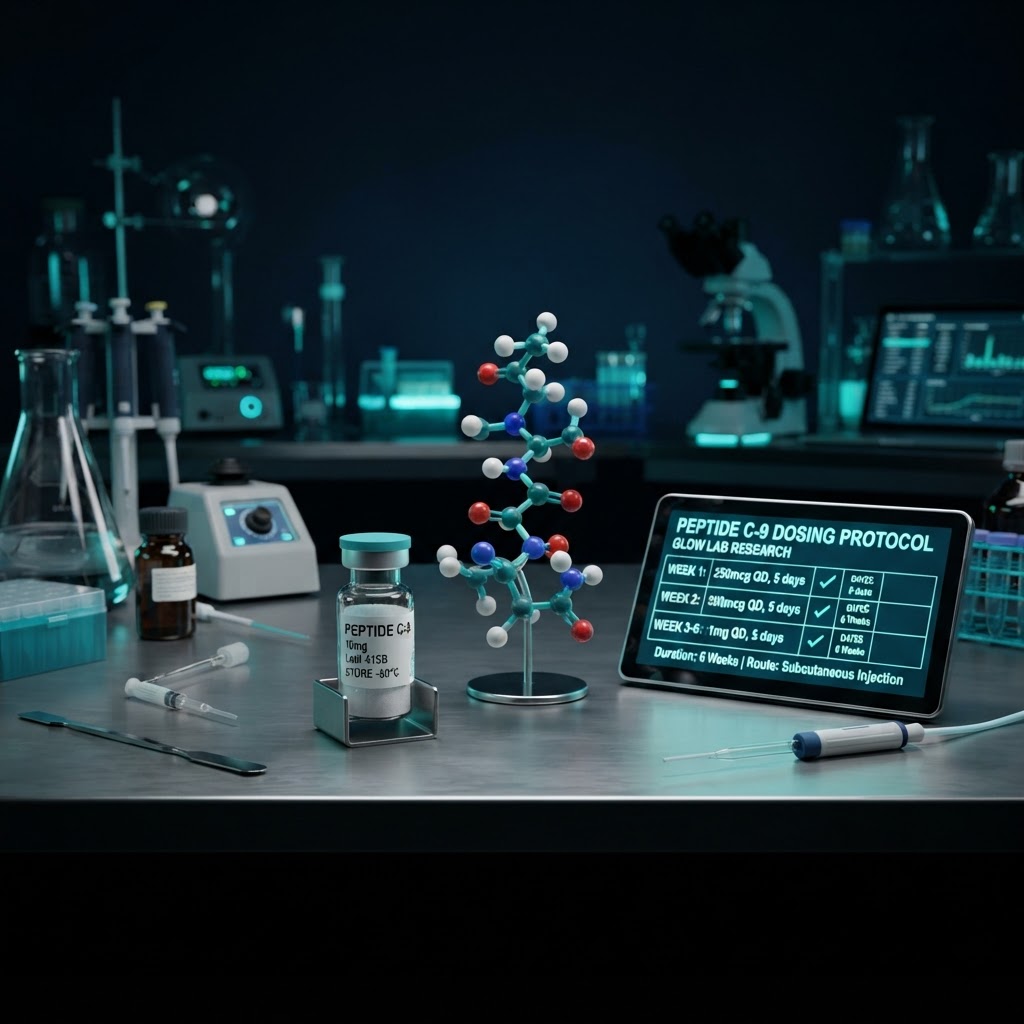
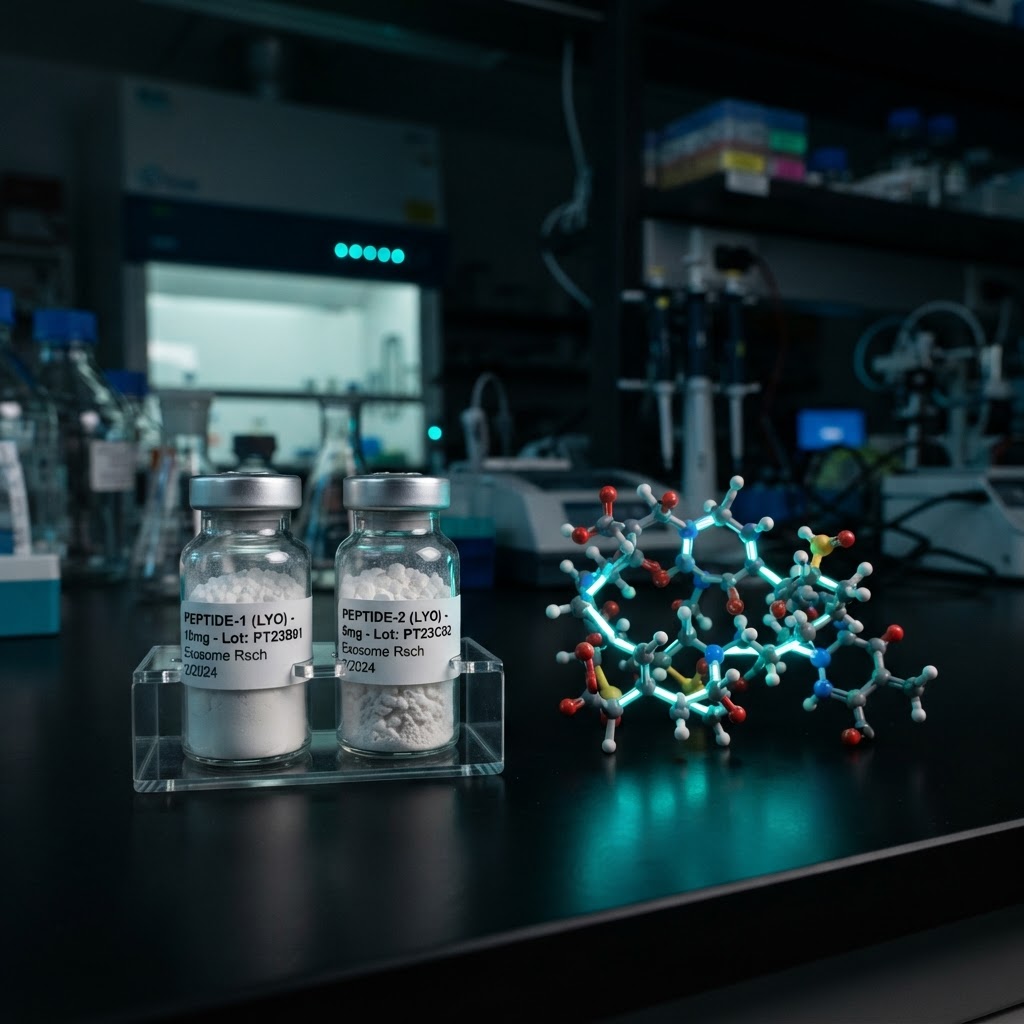
Peptide Storage Best Practices: Lyophilized vs. Liquid
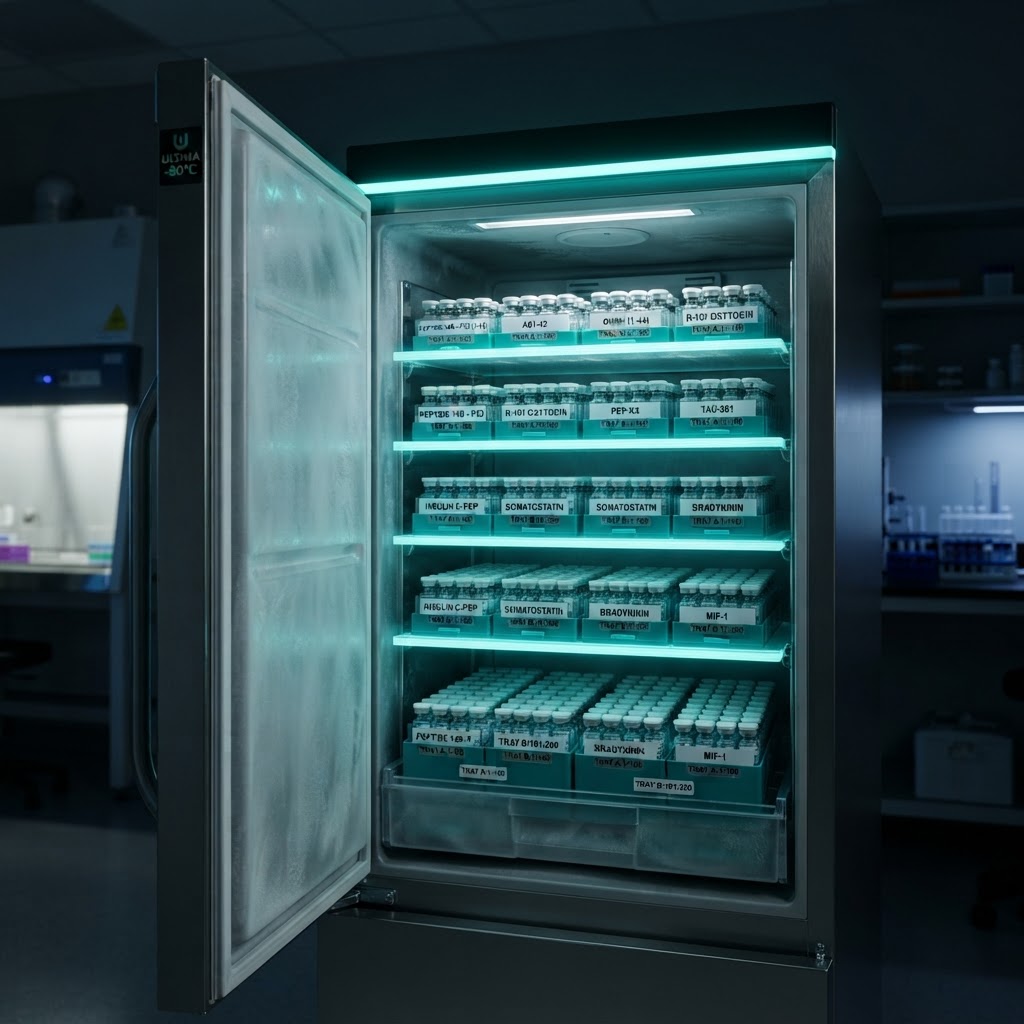
Table of Contents
The Critical Importance of Proper Peptide Handling
Did you know that improper storage conditions can degrade high-purity peptides in as little as 24 hours? For researchers aiming for reproducible and robust data, understanding peptide storage best practices is not just a recommendation—it is a fundamental requirement of laboratory science. Whether you are working with sensitive amino acid sequences or complex cyclic structures, maintaining the chemical and structural integrity of your research material is the baseline for success.
What Is Peptide Storage?
Peptide storage refers to the environmental controls and handling protocols utilized to prevent the degradation, hydrolysis, or oxidation of peptide compounds. Peptides are naturally prone to aggregation and susceptibility to microbial growth once they leave a controlled, lyophilized (freeze-dried) state. Adhering to peptide storage best practices ensures that your molecular probes maintain their primary and secondary structures throughout the duration of your study.
How Does It Work?
The stability of a peptide is dictated by its sequence, the presence of oxidation-prone residues (such as Cysteine, Methionine, or Tryptophan), and the environmental stressors it encounters. Lyophilization removes water, which is the primary catalyst for chemical degradation. When kept in this anhydrous powder form, peptides are significantly more stable. However, once reconstituted into a liquid buffer, the clock begins to tick. Storage in liquid requires careful management of pH levels, temperature, and repeated freeze-thaw cycles, all of which can jeopardize the efficacy of the compound.
What the Research Says
Scientific literature consistently suggests that the difference between lyophilized and liquid storage is massive. Lyophilized peptides, when sealed under inert gas, can remain stable at -20°C for years. Conversely, once transitioned to a liquid state, even the most stable peptides are subject to hydrolysis. Research indicates that keeping liquid peptides at 4°C is acceptable for short-term usage, but for long-term storage, aliquoting is mandatory to prevent degradation caused by repeated temperature fluctuations. Failure to follow these peptide storage best practices often leads to skewed experimental data that cannot be replicated.
Research Protocols & Dosing Notes
To optimize your experimental outcomes, consider the following technical protocols for handling your research supplies:
- Lyophilized Storage: Keep in a moisture-free environment at -20°C or -80°C. Ensure the vial is brought to room temperature before opening to prevent condensation from entering the vial.
- Liquid Handling: Use sterile, deionized water or an appropriate buffer. Avoid repeated freeze-thaw cycles by creating small aliquots sufficient for single-use experiments.
- Solubility Checks: Always verify solubility in a small test sample before preparing larger batches. Avoid extreme pH levels unless the chemical properties of the specific peptide require it.
- Documentation: Maintain detailed logs regarding the date of reconstitution and the storage medium used for each specific vial.
Conclusion
The integrity of your research depends heavily on the precision of your storage methods. By strictly following peptide storage best practices, you protect your investment and ensure the validity of your analytical findings. Always prioritize the stability of your compounds by understanding the distinct needs of lyophilized powders versus liquid solutions. Proper stewardship of your research materials is the hallmark of professional excellence in the scientific community.
Disclaimer: These products are for research purposes only. Not for human consumption.
Biologix Supply Research Team
Expert research team specializing in peptide science and longevity compounds.