Understanding the PT-141 Mechanism of Action: A Research Overview
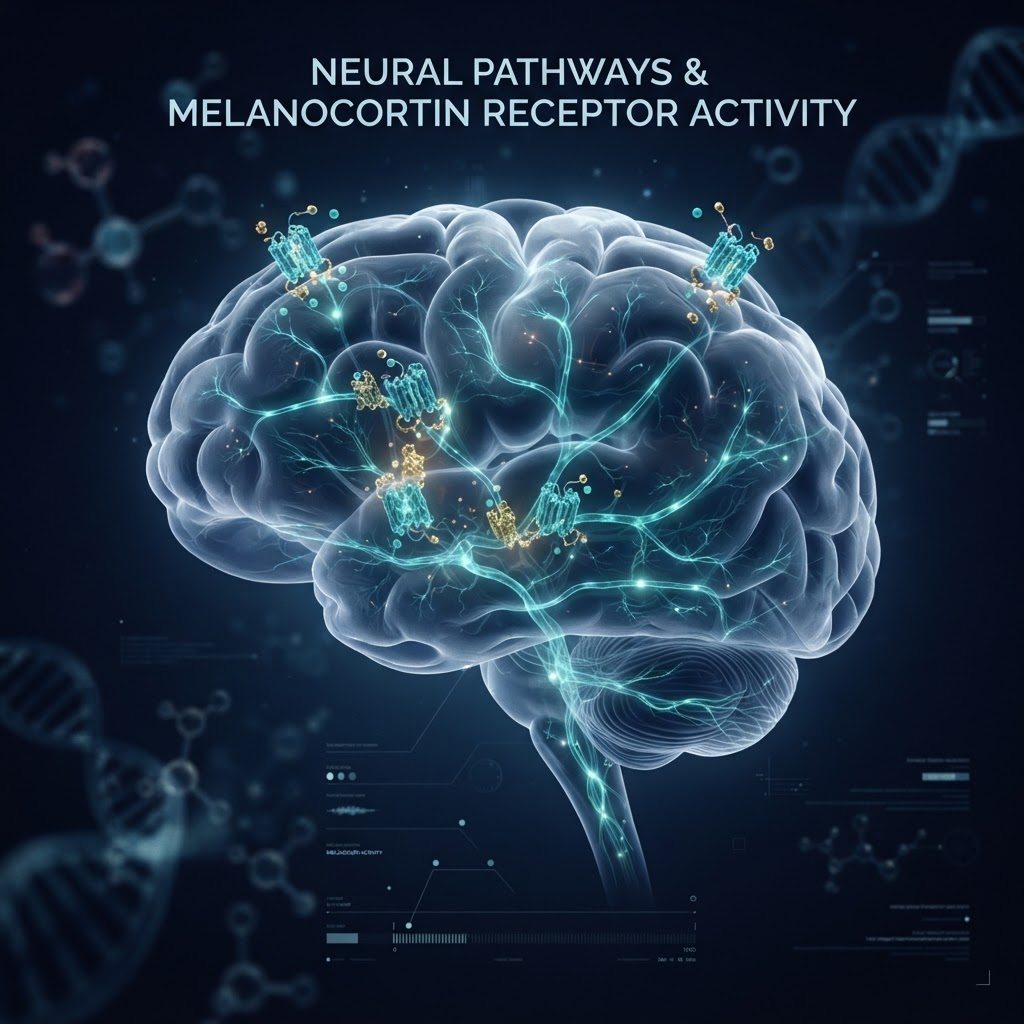
Table of Contents
The Science Behind PT-141
Did you know that PT-141, historically derived from the peptide Melanotan II, represents a significant shift in how researchers study central nervous system signaling? Unlike other compounds that focus on peripheral vascular pathways, the PT-141 mechanism action targets the brain directly, opening new doors for understanding sexual dysfunction models in laboratory settings.
What Is PT-141?
PT-141, also known as Bremelanotide, is a synthetic peptide analog of the alpha-melanocyte-stimulating hormone (α-MSH). Chemically, it is a cyclic heptapeptide lactam. Unlike its predecessor, it does not induce tanning, as it was specifically developed to isolate the physiological responses associated with melanocortin receptor activation within the hypothalamic region. Scientists utilize PT-141 to investigate the neural pathways governing motivation and sexual desire.
How Does It Work?
The PT-141 mechanism action is primarily defined by its role as a non-selective agonist of melanocortin receptors, particularly the MC3R and MC4R subtypes. When administered in a research setting, the peptide crosses the blood-brain barrier and binds to these receptors in the paraventricular nucleus of the hypothalamus. This interaction initiates a complex signaling cascade that bypasses the vascular system entirely. By stimulating these central receptors, PT-141 influences the release of neurotransmitters, effectively modulating the nervous system's response to stimuli. This central nervous system modulation is the core subject of study for researchers analyzing sexual behavioral models in vivo.
What the Research Says
Current clinical and preclinical research highlights the unique efficacy of PT-141 in models of sexual dysfunction. Studies suggest that because the PT-141 mechanism action acts downstream of the traditional nitric oxide pathway, it may be effective in models where phosphodiesterase type 5 (PDE5) inhibitors have proven ineffective. Ongoing research continues to examine its pharmacokinetics, focusing on its systemic stability and the precise receptor binding affinity that leads to its noted behavioral effects. Scientists are currently documenting how long-term exposure to MC4R agonists affects neuroplasticity and signaling sensitivity in rodent models.
Research Protocols & Dosing Notes
When incorporating PT-141 into experimental protocols, precise measurement is paramount. Research models typically utilize lyophilized powder reconstituted with bacteriostatic water. Researchers often document the dose-dependent response, with common experimental concentrations ranging from 0.5mg to 2mg depending on the weight and model type. It is essential to maintain stringent environmental controls, as peptide stability is highly sensitive to temperature and pH levels. All research protocols must be strictly adhered to, ensuring that variables such as delivery method (subcutaneous vs. systemic) are consistent across all cohorts to ensure statistical significance.
Conclusion
The PT-141 mechanism action offers researchers a robust tool for investigating the central nervous system’s influence on behavioral patterns. By targeting melanocortin receptors directly, PT-141 provides a valuable alternative to peripheral-acting compounds, fostering a deeper understanding of the neural underpinnings of behavior. As research progresses, the findings derived from PT-141 will continue to contribute to the expanding field of neuro-peptidology. Always ensure your lab follows institutional safety guidelines when working with synthetic peptides.
Disclaimer: These products are for research purposes only. Not for human consumption.
Biologix Supply Research Team
Expert research team specializing in peptide science and longevity compounds.