Epithalon Telomere Extension: The Science of Anti-Aging Research

Table of Contents
The Quest for Cellular Longevity
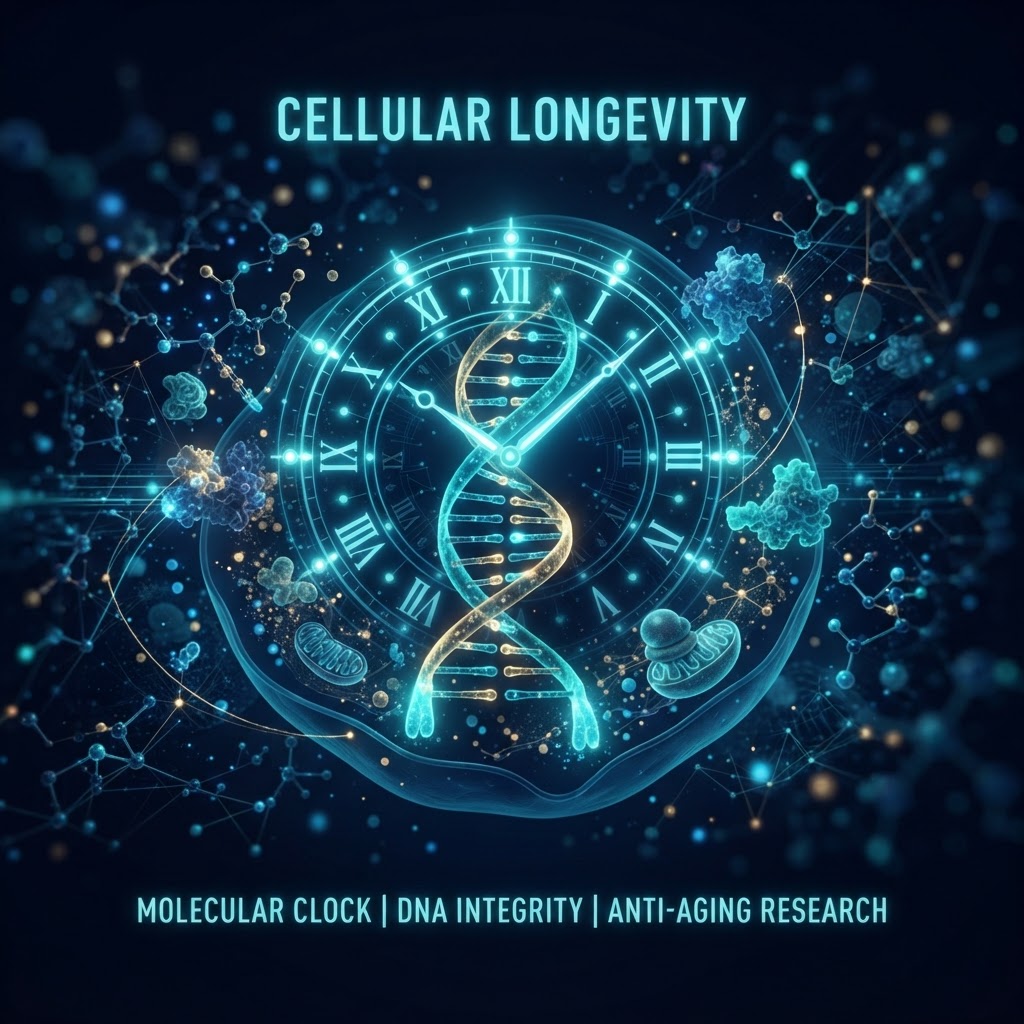
Could we fundamentally alter the biological clock? For decades, scientists have hunted for compounds capable of maintaining cellular integrity over time. Among the most intriguing subjects in this pursuit is Epithalon, a synthetic peptide derivative of the pineal gland hormone epithalamin. As the scientific community delves deeper into Epithalon telomere extension, the potential for modulating aging at the genetic level has moved from the realm of theory to rigorous laboratory investigation.
What Is Epithalon?
Epithalon, or Ala-Glu-Asp-Gly, is a short synthetic peptide known as a telomerase activator. Research indicates that it acts primarily on the pineal gland, helping to normalize hormonal balance and potentially protecting the organism from oxidative stress. Unlike traditional therapeutics that treat symptoms, Epithalon is studied for its ability to regulate the expression of telomerase, the enzyme responsible for synthesizing and maintaining telomere length.
How Does It Work?
The primary mechanism behind Epithalon telomere extension lies in the structural integrity of our chromosomes. Telomeres are the repetitive nucleotide sequences at the ends of chromosomes that act as protective caps. With every cell division, these caps shorten; once they become critically short, the cell enters senescence, often resulting in age-related degradation. Epithalon is theorized to stimulate the production of telomerase, the enzyme that adds DNA sequence repeats to the ends of chromosomes. By potentially maintaining or lengthening telomeres, researchers believe Epithalon may slow the rate of cellular aging and improve the function of the neuroendocrine, immune, and reproductive systems.
What the Research Says
Extensive animal studies have yielded fascinating data regarding Epithalon telomere extension. Research in various model organisms has demonstrated that subjects treated with Epithalon showed improved life spans and a reduction in the incidence of age-related biomarkers compared to control groups. Furthermore, in vitro studies on human somatic cells have indicated that the peptide may promote the activity of telomerase, effectively delaying the replicative senescence of the cell line. These findings suggest that the peptide could serve as a valuable tool for understanding the molecular triggers of aging and age-associated pathologies.
Research Protocols & Dosing Notes
In laboratory environments, researchers often utilize lyophilized Epithalon, which must be reconstituted with bacteriostatic water. Dosing protocols in preclinical research typically involve subcutaneous or intramuscular administration. Common cycles reported in research literature often span 10 to 20 days, with dosages tailored to the specific model under observation. It is critical for investigators to monitor the biological markers of the model throughout the study to track the efficacy of the peptide. Given the potency of the compound, strict adherence to established laboratory safety guidelines is required to maintain the integrity of the research.
Conclusion
The study of Epithalon telomere extension continues to represent one of the most promising frontiers in anti-aging and regenerative science. By focusing on the root causes of cellular decline, researchers are gaining a deeper understanding of how we might influence the aging process. As investigations continue, Biologix Supply remains committed to providing the highest quality research-grade peptides to support these vital scientific advancements.
Disclaimer: These products are for research purposes only. Not for human consumption.
Biologix Supply Research Team
Expert research team specializing in peptide science and longevity compounds.