Peptides for Longevity: Top 5 Compounds Researchers Study
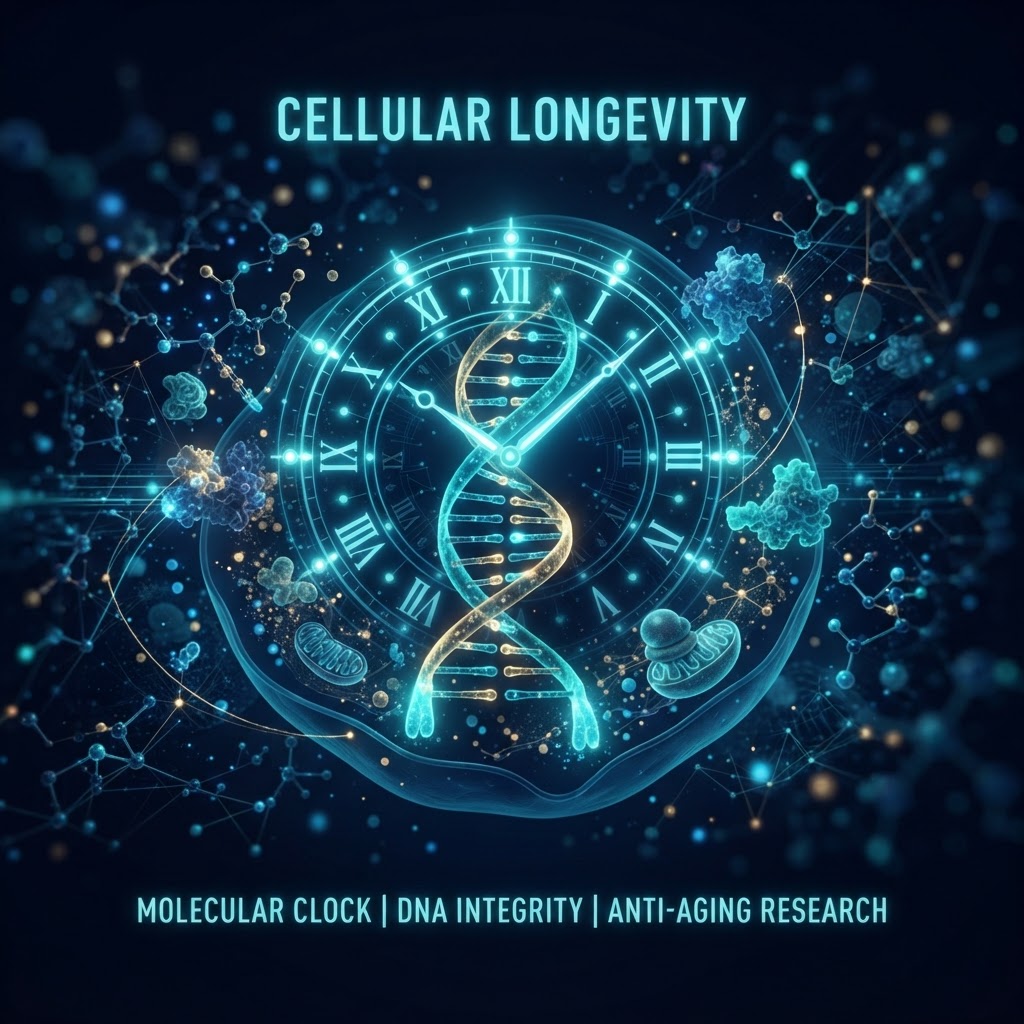
Table of Contents
The Quest for Cellular Optimization
Did you know that the biological mechanisms underlying aging may be modulated at the molecular level? As our understanding of senescence and genomic stability grows, peptides for longevity have moved to the forefront of modern biochemical research. Scientists are increasingly focused on how these short-chain amino acids can potentially signal pathways that repair DNA, reduce systemic inflammation, and optimize cellular metabolism.
1. Epitalon
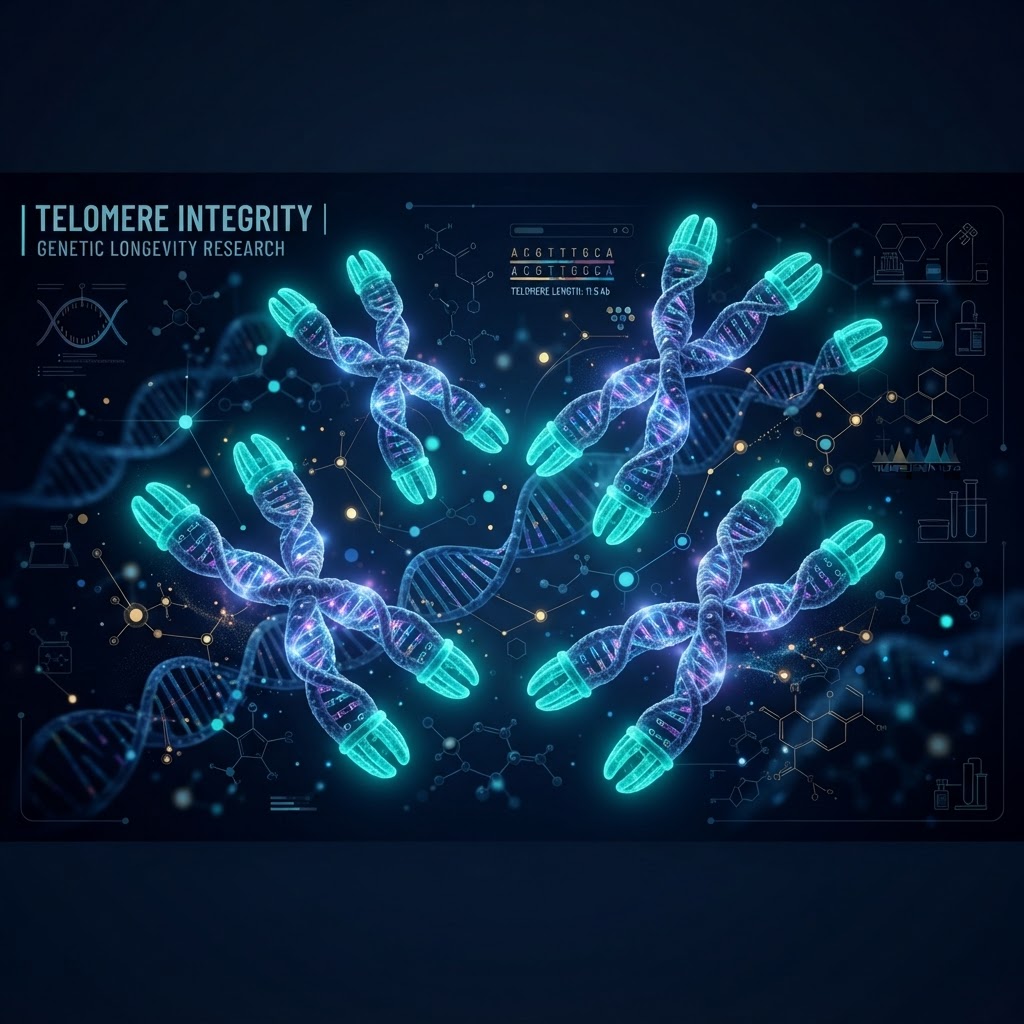
What Is Epitalon? Epitalon is a synthetic tetrapeptide derived from the pineal gland hormone epithalamin. It has gained significant attention in academic circles for its hypothesized role in telomere maintenance and circadian regulation.
How Does It Work? Research suggests that Epitalon interacts with the expression of telomerase, the enzyme responsible for lengthening telomeres. By supporting genomic stability, it aims to prevent the progressive degradation of cellular DNA that characterizes chronological aging.
What the Research Says Studies using murine models have shown a significant increase in lifespan and a decrease in the incidence of spontaneous tumors. The focus remains on its ability to normalize melatonin secretion and endocrine function.
Research Protocols & Dosing Notes Typical studies utilize subcutaneous or intramuscular delivery. Dosing often ranges between 1mg to 10mg depending on the specific duration of the trial, with cyclical patterns common in observational literature.
2. Thymulin
What Is Thymulin? Thymulin is a nonapeptide hormone secreted by the thymic epithelial cells, essential for the maturation and differentiation of T-cells.
How Does It Work? It acts as a metal-dependent peptide that modulates the immune system by interacting with specific receptors on T-lymphocytes, essentially slowing the age-related decline of the immune system, known as immunosenescence.
What the Research Says Investigations into thymulin suggest it improves the thymic microenvironment, leading to a more robust immune response in aging populations.
Research Protocols & Dosing Notes Research usually focuses on maintaining homeostasis. Researchers typically administer thymulin in controlled cycles to prevent receptor downregulation.
3. MOTS-c
What Is MOTS-c? MOTS-c is a mitochondrial-derived peptide encoded by the mitochondrial genome, marking it as a critical player in metabolic health.
How Does It Work? It mimics the effects of exercise by regulating metabolic pathways and improving insulin sensitivity. It effectively bridges the gap between mitochondrial efficiency and systemic longevity.
What the Research Says Data indicates that MOTS-c can reverse diet-induced insulin resistance and improve physical capacity, making it a primary candidate for studying metabolic disease in aging.
Research Protocols & Dosing Notes Studies often utilize dosage protocols that vary significantly based on the metabolic baseline of the subjects involved.
4. GHK-Cu
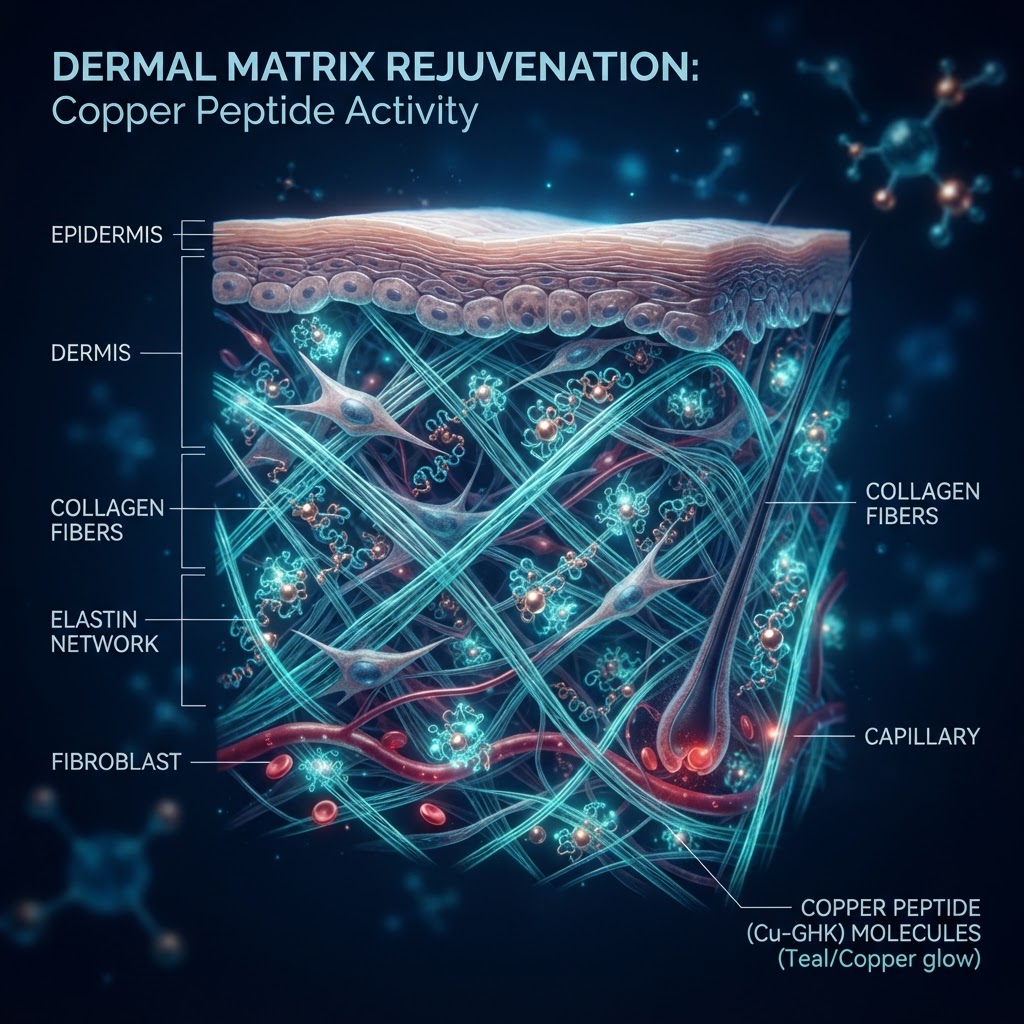
What Is GHK-Cu? This is a naturally occurring copper complex that was first identified in human plasma. It is famous for its role in wound healing and skin rejuvenation.
How Does It Work? GHK-Cu acts as a powerful gene modulator. It can upregulate hundreds of genes related to collagen synthesis, tissue repair, and the removal of damaged proteins.
What the Research Says In vitro studies demonstrate that GHK-Cu can reset the expression of genes in aged fibroblasts to a more youthful state, making it a staple in dermatological and regenerative research.
Research Protocols & Dosing Notes Researchers typically apply GHK-Cu via topical or subcutaneous methods in concentrations calibrated for specific tissue regeneration models.
5. BPC-157
What Is BPC-157? BPC-157 is a pentadecapeptide derived from gastric juices, extensively studied for its systemic cytoprotective effects.
How Does It Work? It accelerates the healing of various tissues including tendons, ligaments, and the gut lining. Its longevity application lies in its ability to manage chronic inflammation and improve vascular health.
What the Research Says Multiple studies confirm its ability to promote angiogenesis (the formation of new blood vessels), which is vital for tissue health and combating the degenerative effects of aging.
Research Protocols & Dosing Notes Standard laboratory protocols often involve precise microgram dosing to evaluate its effects on localized injury repair versus systemic healing.
Conclusion
The study of peptides for longevity offers a promising path toward understanding the complex architecture of aging. While these compounds provide profound insights into molecular repair and metabolic optimization, they remain at the cutting edge of experimental science. Researchers must ensure that all protocols are strictly followed in laboratory settings to yield reliable, replicable data.
Disclaimer: These products are for research purposes only. Not for human consumption.
Biologix Supply Research Team
Expert research team specializing in peptide science and longevity compounds.